
A Common Story Movie Interview - Chicago International Film Festival 2026
/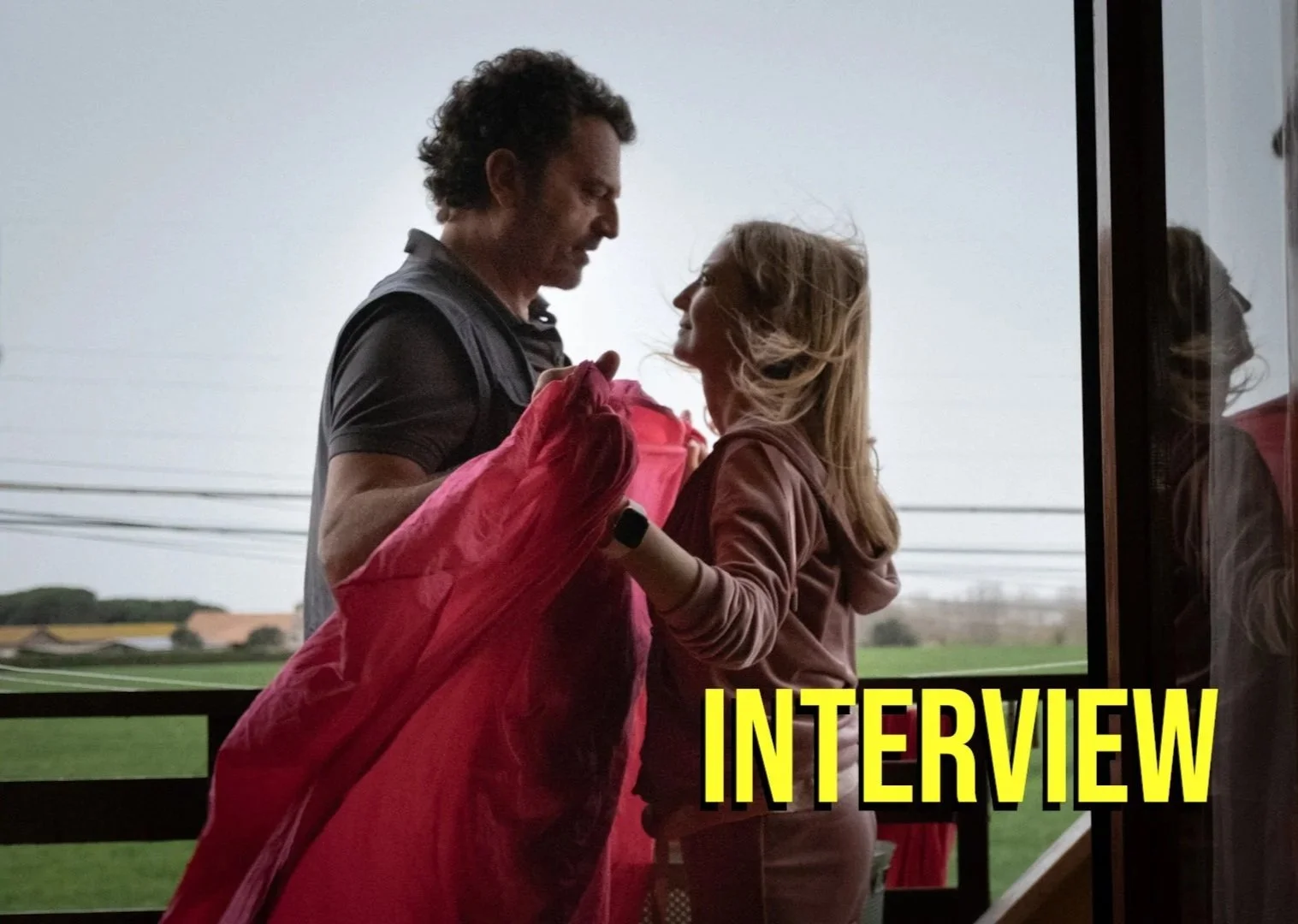
Anna Foglietta’s directorial debut, A Common Story, screened at the 62nd Chicago International Film Festival, held October 14 - 25, 2026. The film explores the complexities of relationships, focusing on how love can blur the boundaries between care and dependence, desire and control. Through its intimate storytelling, it examines how people can become trapped in repeating patterns of longing and separation, struggling to let go even when their relationships cause them pain. The film also highlights how memories and emotional wounds continue to shape our connections with others, showing how relationships can offer both comfort and a sense of entrapment.
Interview Transcript with Director Anna Foglietta
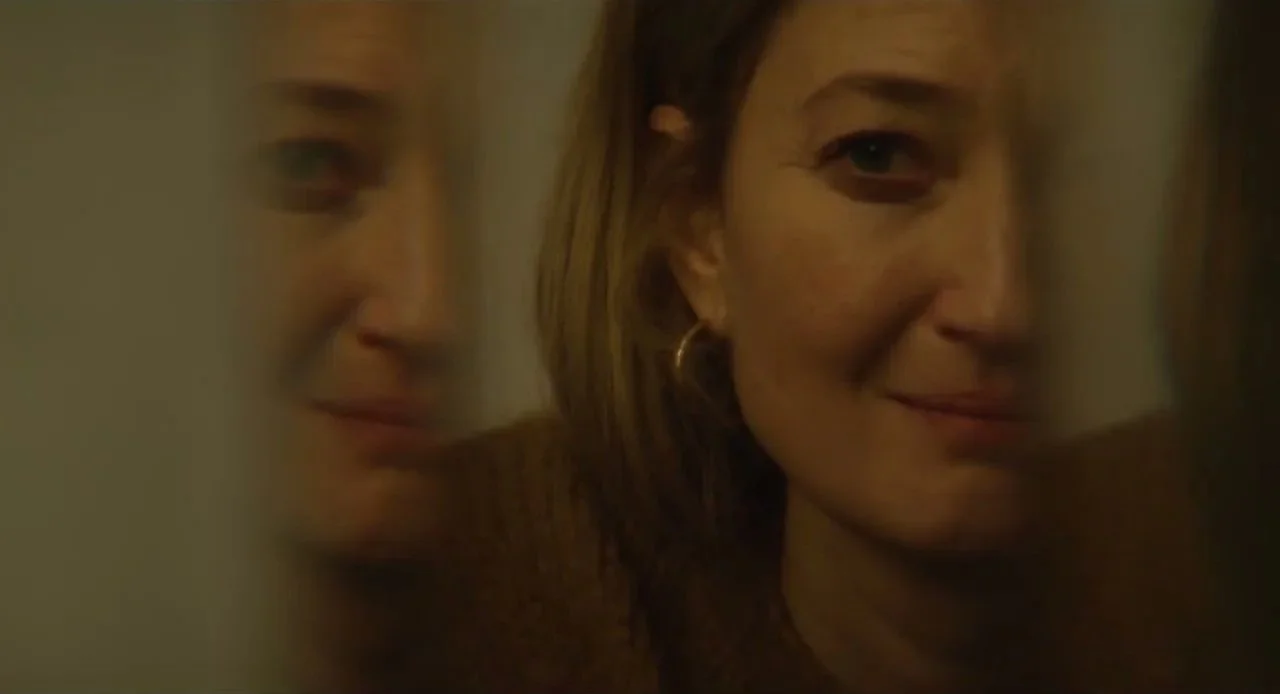
AtZ: Congrats on the directorial debut I thought it was wonderful. I wanted to start off with the visual language that you created, because I loved the long lenses that you chose. The split diopter shot was beautifully done. So if you could just discuss the visual language that you created.
AF: Yeah, I create these languages from the screenplay. I start to imagine this world in my mind and I think every filmmaker creates their personal language by all the cinema that we watch. And so I love so much Christian Mungiu, Dardenne Brothers, Ken Loach, John Cassavetes and all of them helped me to create my personal world. And so I create an alternation between whole shoots and, aggressive close ups. To make outside their own interior ceilings, their difficulties by a psychological view. Because when you're a new filmmaker, the most important thing is to have a personal voice, a personal perspective. It's not so important the topic of the film, but the way you approach the shots.
AtZ: I thought it worked very well emotionally, but also, just technically. You had one shot, that I believe is already out, where they're talking outside of the van but then it disappears to focus on them. For a second, I thought the van was on the run. Can you speak on the technical aspects of filming that?
AF: I worked with DOP Andrea Benjamin Manenti about the film, our references and the atmosphere. I know, for example, in this scene that you are speaking about, I pull the camera outside of the vehicle and then I want to go inside of them. It's functional to understand what Erika and Mauro really think about their lives. I use the camera outside of the vehicle because I'm not prudish for them. They are speaking about their relationship so I need to enter in a very deep way.
Alba Rohrwacher in A COMMON Story
AtZ: Also speaking on the atmosphere, you have a very big location with their house, which I feel changes a lot, especially when their daughter leaves. Many others are outside to contrast that. Can you talk about the production design in the film, especially when dealing with what they're going through?
AF: We worked hard to find the right location. At the beginning of the film we’re in a very different world, something very brutal as they drop off their daughter, who is alone in a new place. And then we enter the real house that is so normal, but so special. The house made it difficult because they are normal people, they are not extraordinary but I needed to create an extraordinary world in a normal way. So we found a way through the colors of the film and creating a palette. Every element in this shoot is in communication. The living room is very important because everything is white and beige. The characters in that space, in particular, the female character Erika, is like a chameleon because they disappear. Her skin is white and the sofa is white.
AtZ: She's blending into her environment.
AF: Yes! Exactly
AtZ: I also really like how simple it is: Common, as the title suggests. But it really stands out because I found the performances to be fantastic. How was it like building those performances where they have a lot of history together, be it with the production built, the script or improvising.
AF: You know, everything is built together. I’m an actress too and actors need lines because an actor needs to be guided by the director, the filmmakers. In that movement they can feel their feelings, their questions, their energy, but you must give them correct lines in the space. This approach comes from Ronconi, a very important director in Italy, but also Robert Altman.
With Alba and Guido, I told them they can be free with their thoughts but not with the movement. I don’t like when they overuse their hands - I want them to be polite and elegant. Especially when talking about the working class. The more precise you are, the better idea that you are giving of the character.
Behind The Scenes with director Anna Foglietta and Alba Rohrwacher on A COMMON STORY
AtZ: I think you especially see it when you have those zoom ins and you're going directly into the character's expressions when they're getting heated. In creating those relationships, what were some tips and tricks that you had from your acting career or that you saw in other directors that you applied or learned along the way for your debut?
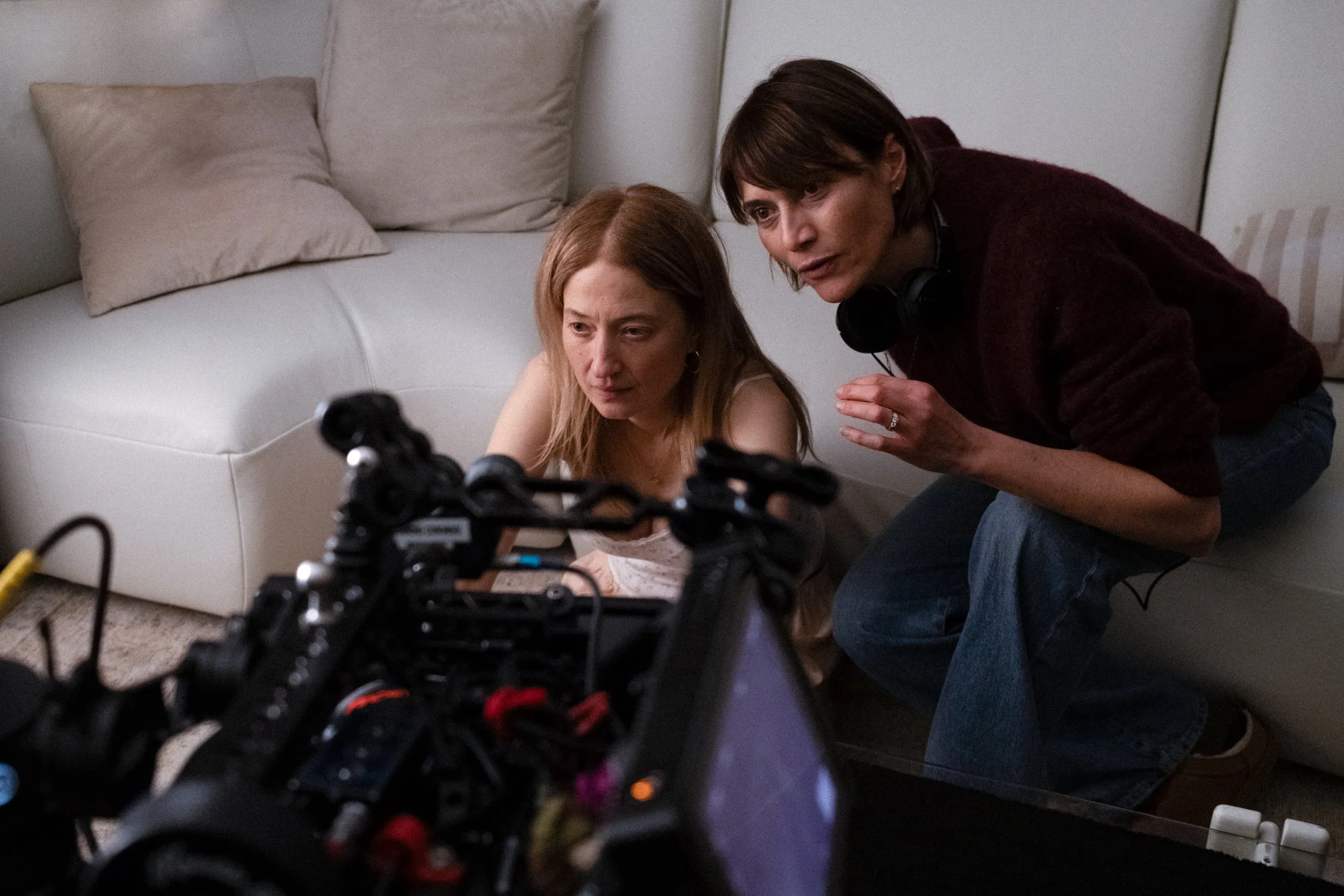
AF: To make a film is like a journey, you know? A lot of things I have clear in my mind and also the approach with actors. But on the set, a lot of things were changing. My approach with them when I realized that they were in a complicated moment was to stay with them on the set. I would be in a corner below the frame, touching their legs so they don’t feel alone. I would say to them, “I’m Here” and look into their eyes. In an actor’s mind, it is like a nightmare when you can not realize the character. So to have the director close to you is like a gift. So when I am on the monitor and I recognize these feelings, I come to them in the corner, like a bird, and remind them they are not alone.
AtZ: That’s really interesting. In terms of the editing, was there anything that you learned or changed while going through the chapters?
AF: Nothing, because the structure of the film is that and it's impossible to change something in the editing. I cut a lot of scenes in particular about Erica, because the process of the characters was very clear. So I don't need the other scene fundamentally. I also cut out Spring as a chapter.
AtZ: I was going to ask about that.
AF: Yeah, because the Spring season is not suited for my film. Spring contains a rebirth that is not in my film. There is construction, you build every day. Also because the colors in Spring are not right for my film. It is more radical. The sky is not clear but cloudy. And so I prefer to miss Spring and to jump from Winter to the Summer and then add Later. Because in the end, it is not closed but open and all of the audiences can add to the end of the film in their own personal way.
AtZ: You had mentioned in a previous interview the notion of emotional illiteracy and thought that was an incredible way to put it. What was your thought process in approaching the script in that way? What you really wanted to get out of the characters, especially building up to that final scene?
AF: Illiteracy by emotional way is a lesson by Bergman. In the bourgeoise world we are in you always have the possibility for an escape. But when you are in a working class, it is like a cage. A beautiful cage, but it's a cage. It's more difficult. To understand that you deserve something from your life. To make space in the questions that are personal. Questions like: Who am I? Am I able to desire? To dream?
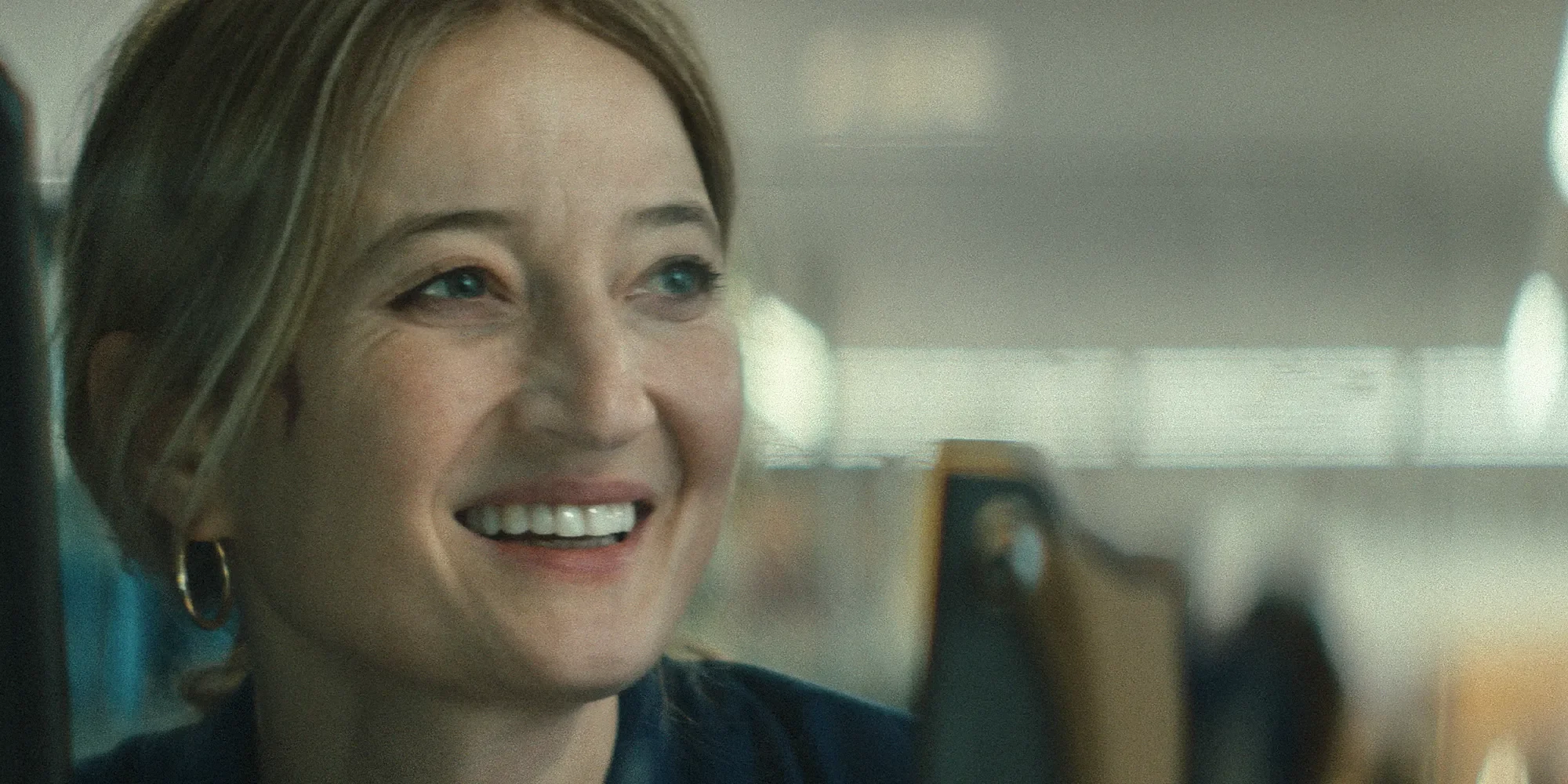
Alba Rohrwacher in A COMMON SToRy
AtZ: I've heard it as you're living in consumerism and then get consumed by everything around.
AF: Yes. And right now, I'm much more of the people. The couples that are together after ten years, they’ve now separated. 50% of the couples that stay together are now separated. So I think that it's more interesting now to think about people that are already stuck as a couple. Now it's a strange scene and there is no betrayal in the film. Faith and loyalty are not a value being broken in the film. They understand that to remain in their own way they have to understand themselves.
AtZ: My final question would be now that you're a director and also an actress, would you ever look at directing yourself in the future?
AF: Oh no no no no no no no…it's too much!
I want to be just a filmmaker. I know both but it would be very difficult.
AtZ: You like being there, guiding, saying I'm right here, right?
AF: Yes!
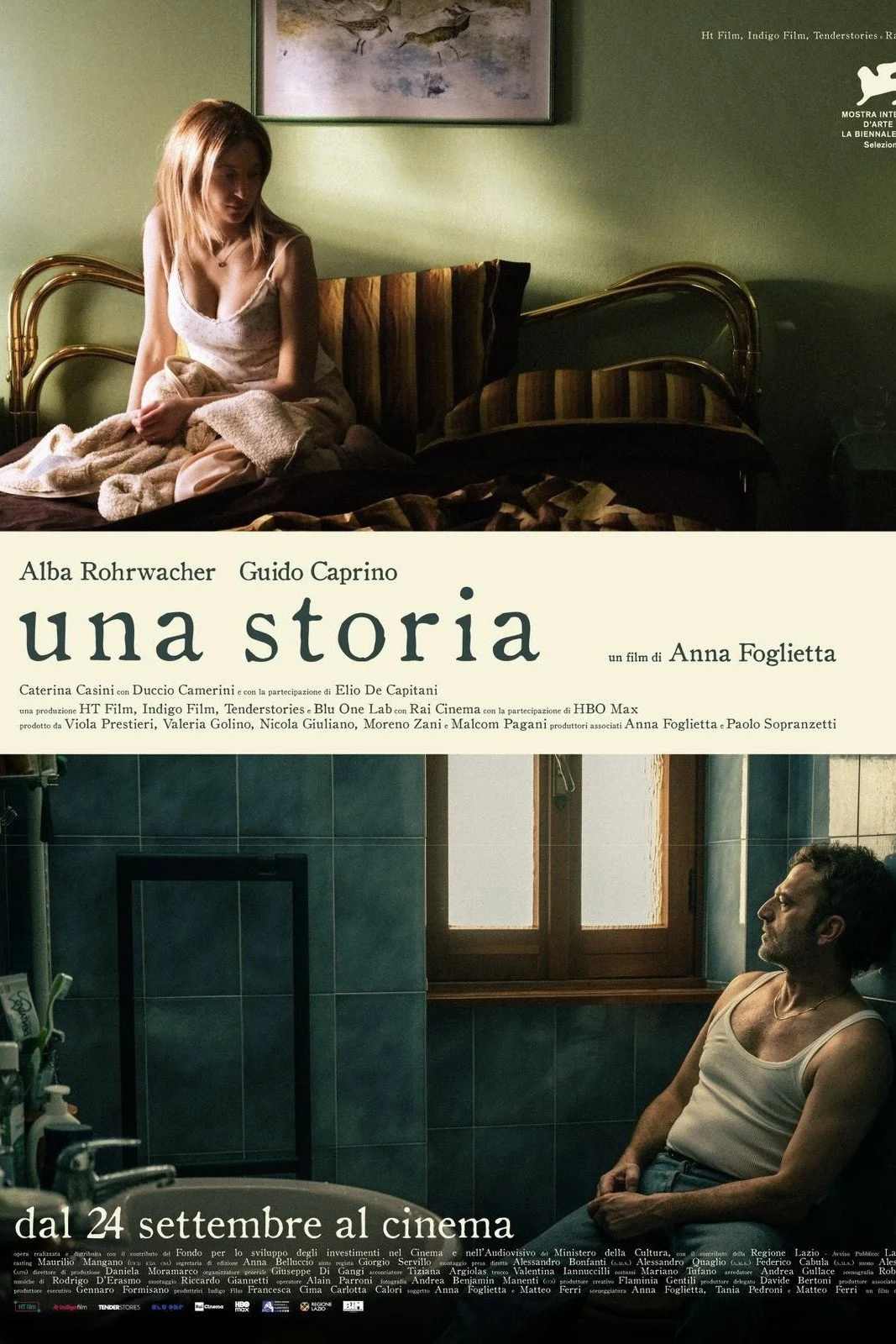
A COMMON STORY
Una storia
Erika and Mauro live a quiet life in the countryside, shaped by small gestures and familiar routines. When their daughter Irene leaves to study far away, the house empties and the balance of their life together begins to unravel.
DIRECTOR: Anna Foglietta
WRITERS: Anna Foglietta, Tania Pedroni, Matteo Ferri
STARS: Alba Rohrwacher, Guido Caprino, Caterina Casini, and with Elio De Capitani
Italy | 107m | New Directors Competition


