

TIFF's WORLD DRAMATIC WATCHLIST 2026
/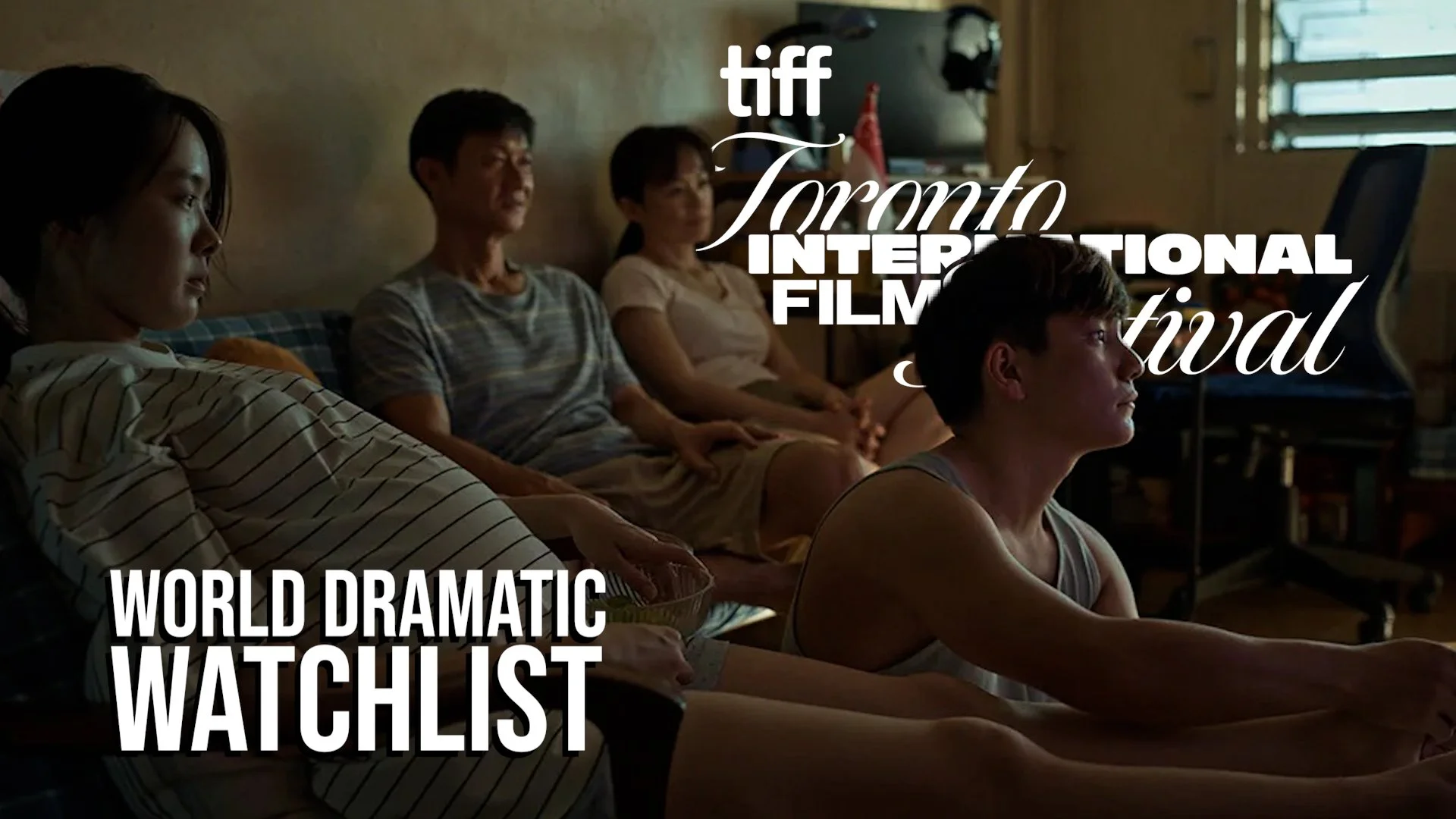
The 51st edition of the Toronto International Film Festival returns from September 10–20, 2026, bringing together an exciting selection of films from around the world. For anyone looking to discover some of the festival’s most intriguing dramas, be sure to add these titles to your watchlist.
WE ARE ALL STRANGERS
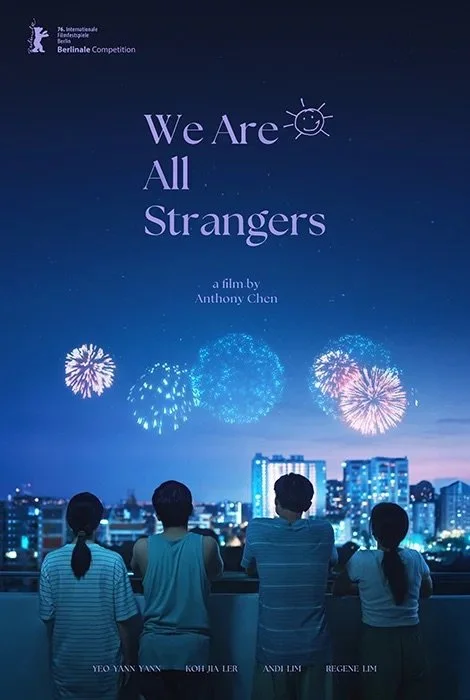
WE ARE ALL STRANGERS
A life-altering event forces 21-year-old Junyang and his girlfriend to face reality. At the same time, while Junyang’s father is struggling to hold their modest life together, a woman enters his life and both generations are forced to redefine their family.
DIRECTOR: ANTHONY CHEN
NORTH AMERICAN PREMIERE | 157m | CENTREPIECE
“When life changes, family changes with it.”
Anthony Chen’s We Are All Strangers is a warm but messy family drama about growing up and taking responsibility.
Set in Singapore, it follows Junyang, a young man suddenly facing fatherhood, while his own father is trying to start a new chapter. Their complicated family dynamics provide plenty of humor and tension.
The film works best when Chen focuses on everyday life; the food, cramped homes and uncomfortable family conversations. The performances are natural, with Yeo Yann Yann especially bringing warmth and humor.
At nearly two and a half hours, it does feel overlong, and some of the drama gets a little predictable. But there’s enough heart here to keep it engaging.
NOBODY’S VIOLENCE
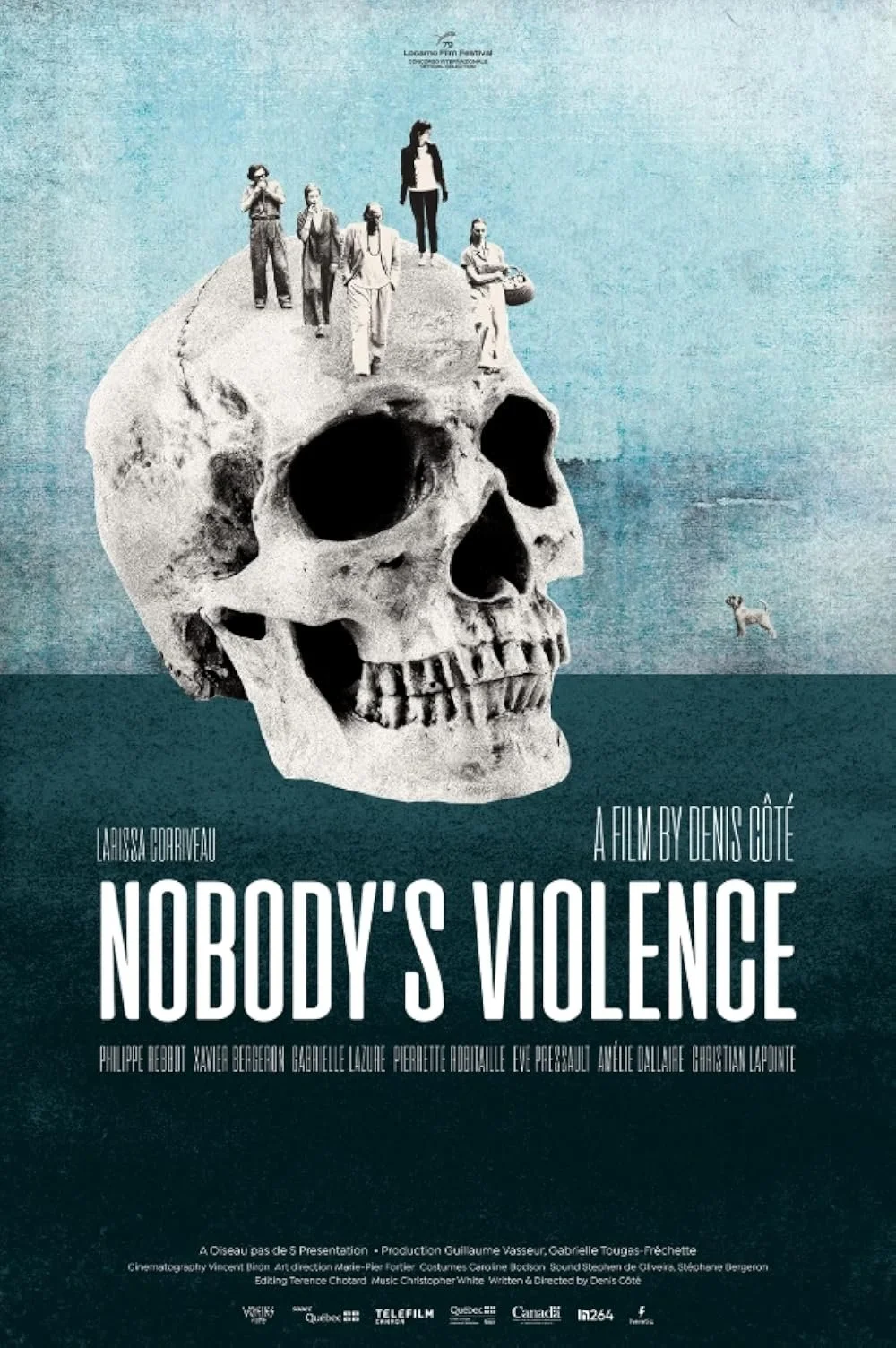
NOBODY’S VIOLENCE
Follows a travelling girl offering euthanasia services in a dystopian world.
DIRECTOR: DENIS CÔTÉ
NORTH AMERICAN PREMIERE | 118m | WAVELENGTHS
“A strange thriller that keeps you guessing”
Nobody’s Violence is a strange and unsettling sci-fi thriller that definitely isn’t afraid to get weird. It follows Mira, a mysterious woman who travels around helping people die, until an unexpected encounter makes her start questioning the life she’s built.
Larissa Corriveau is great in the lead, giving Mira an intense, almost unreadable presence. The grainy visuals and offbeat atmosphere add to the feeling that you’re watching a strange dream.
The first half is especially intriguing, mixing dark humor with some surprisingly thoughtful ideas about death, loneliness, and finding a reason to keep going. It gets a little messier later on, but there’s still plenty to admire.
Weird and moody, it’s definitely not your typical thriller.
IDDA
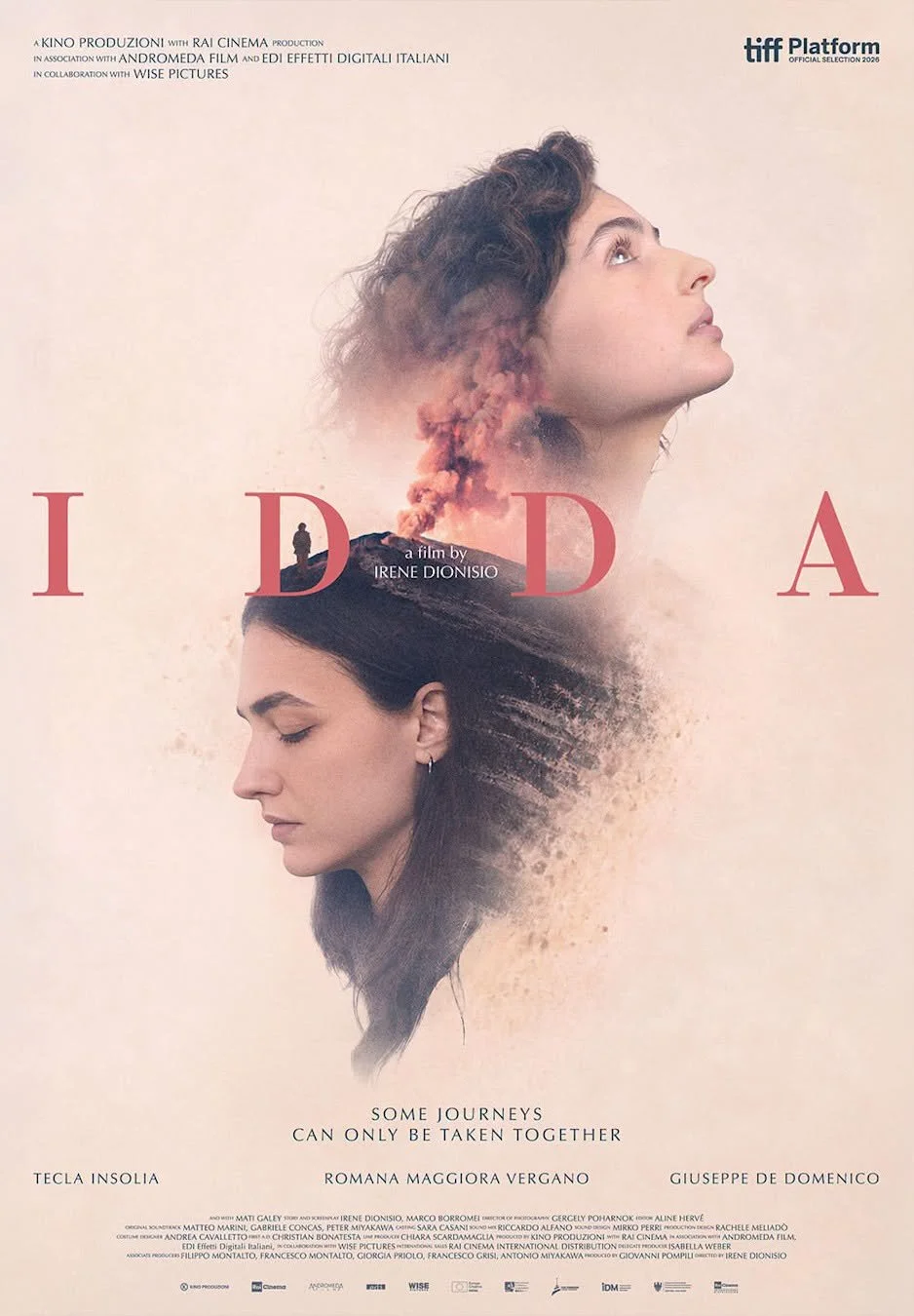
IDDA
Follows childhood friends Adele and Sofia who reunite to fulfill the broken promise of climbing Mount Etna, realizing that old wounds loom over everything.
DIRECTOR: IRENE DIONISIO
WORLD PREMIERE | 93m | PLATFORM
“An aching portrait of friendship and grief ready to erupt”
Irene Dionisio’s Idda is an atmospheric drama about friendship and old wounds that never quite go away.
Adele and Sofia, childhood best friends, reunite in Sicily to finally climb Mount Etna, a dream they’ve shared for years. But buried resentments and secrets soon turn the trip into something much more complicated.
Tecla Insolia and Romana Maggiora Vergano give the film a strong emotional core, especially in the uncomfortable moments when their friendship starts to crack. Mount Etna is also spectacular, adding a wild, almost haunting presence to the story. Its black lava fields, ash and vast landscapes give the film an almost mystical quality, mirroring the emotional turbulence between the women.
Idda can feel deliberately slow and a little elusive, but its atmosphere is hard to shake. At its heart, it’s a moving story about friendship, loss and learning to forgive yourself for the things you wish you had done differently.
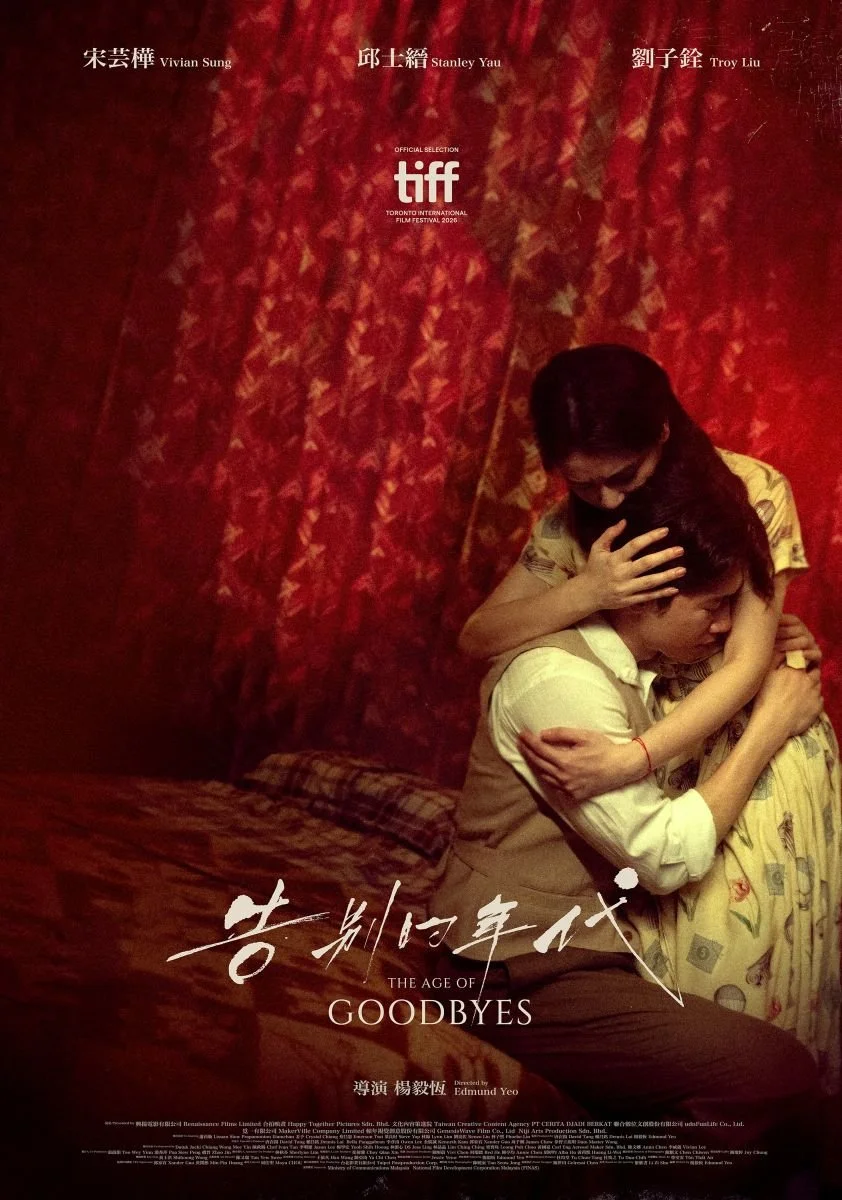
THE AGE OF GOODBYES
THE AGE OF GOODBYES
A young woman named Du Li An who falls in love with a man named Lin Sang in 1969 before he mysteriously disappears. Years later, after marrying a gangster and becoming stepmother to a teenage girl, Du Li An encounters a man who looks exactly like her vanished lover.
DIRECTOR: EDMUND YEO
WORLD PREMIERE | 142m | SPECIAL PRESENTATIONS
“Moving between past and present, the film turns memory into its own timeline.”
The Age of Goodbyes is basically a mystery wrapped around a tragic love story.
A young boy discovers a book about Du Li An, a woman who falls in love with her teacher, Lin Sang, in 1960s Malaysia. Just as their relationship develops, Lin Sang mysteriously disappears during a period of political violence.
Years later, Du Li An sees a man who looks exactly like him, bringing all those old memories and unanswered questions back.
The movie jumps between the past and the boy’s present, slowly revealing how the story connects to his own family. Underneath the mystery, it’s really about love, loss, political trauma, and how the past can follow people across generations.
That said, the pacing won’t work for everyone. At 142 minutes, The Age of Goodbyes can feel overly patient, and the shifting timelines occasionally make the story harder to follow than it needs to be. Some of the mystery also feels deliberately unresolved, which may leave viewers wanting a little more closure.
It’s not a film that spells everything out, but if you’re into thoughtful, atmospheric dramas about memory, family, and lost love, The Age of Goodbyes has plenty to offer.
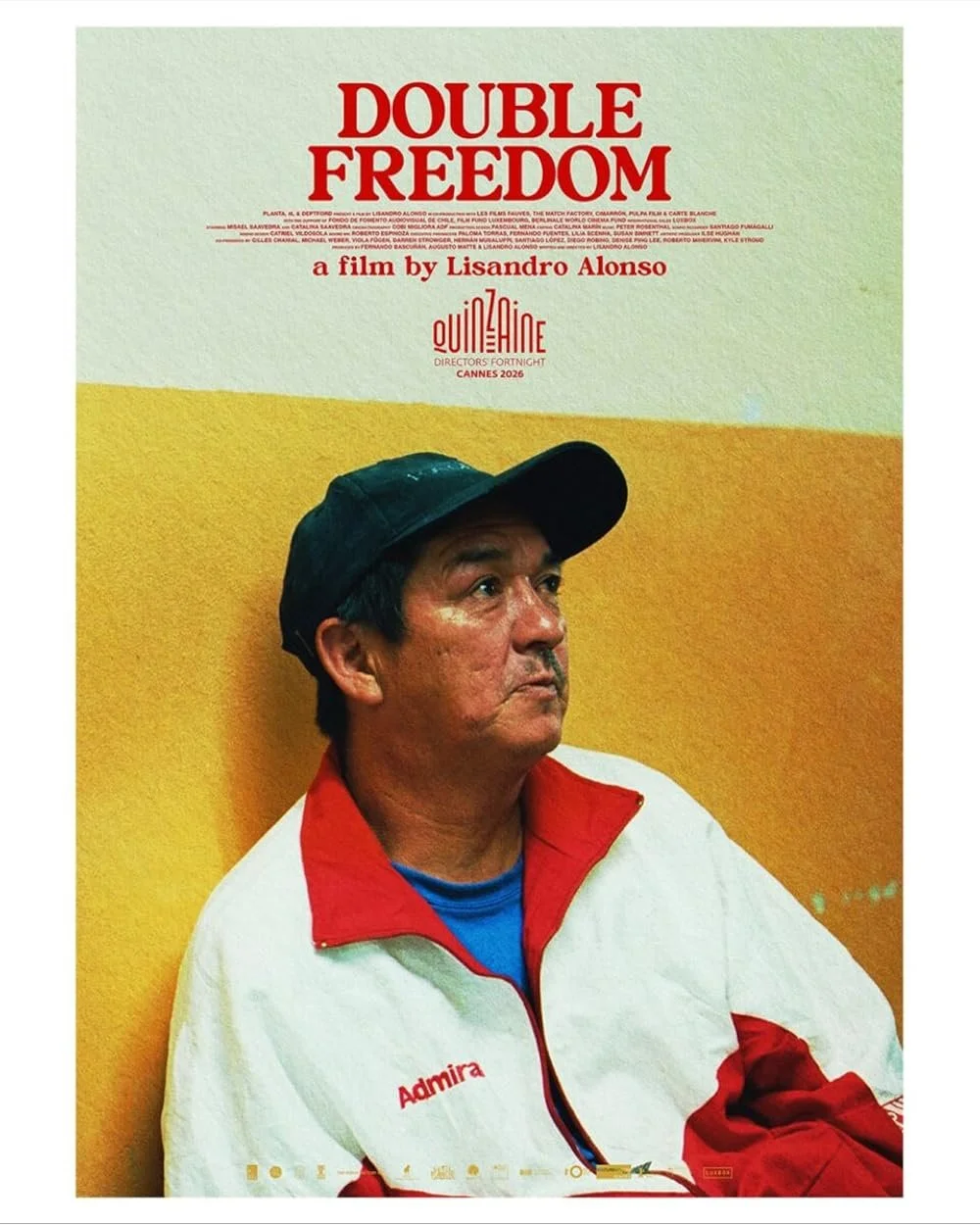
DOUBLE FREEDOM
DOUBLE FREEDOM
Misael works alone with his axe, cutting down trees in the woods. An unexpected responsibility upends his life, and the logic of his days fades away in a nature where human reason holds no meaning.
DIRECTOR: LISANDRO ALONSO
NORTH AMERICAN PREMIERE | 100m | WAVELENGTHS
“A rare sequel”
Double Freedom is a movie that takes its time but has its focus on the rituals. A follow-up to Lisandro Alonso’s 2001 film La Libertad, it brings back Misael Saavedra as the same solitary woodcutter 25 years later. It’s less a traditional sequel than a chance to revisit a character and see how his simple life has changed when he takes responsibility for his sister after she leaves a care facility.
The film spends a lot of time watching its characters simply live; walking, eating, working, listening to the radio, and it gives everything a laid-back, almost hypnotic feel as tasks get accomplished.
The performances are natural and understated, especially Catalina Saavedra, who brings a fun unpredictability to the role. The countryside setting also looks beautiful, with the warm 35mm photography giving the whole movie a wonderful vibrancy.
It’s definitely a movie that moves at its own pace, but once you settle into it, there’s something really touching about its story of family, independence, and learning to make room for someone else in your life.
Quiet, funny, and a little odd.
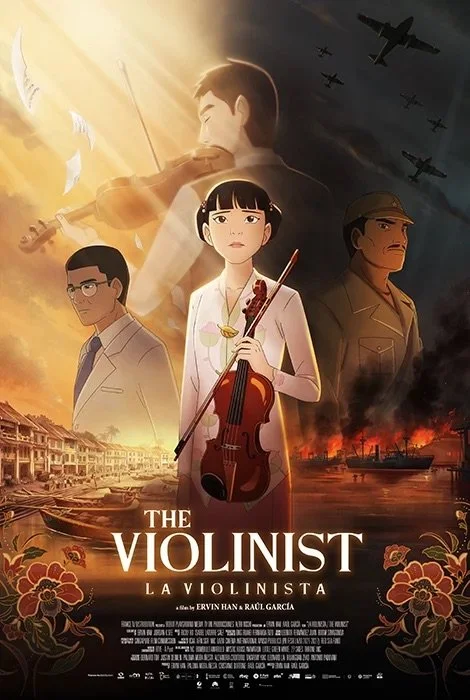
THE VIOLINIST
THE VIOLINIST
As a reporter uncovers the mystery behind an aging violin legend and her treasured instrument, a forgotten story of love, war and music that spans 80 years emerges.
DIRECTORS: ERVIN HAN, RAÚL GARCÍA
NORTH AMERICAN PREMIERE | 114m | CENTREPIECE & UNHIDDEN GEMS PRESENTED BY REDBREAST
“Some memories never stop playing.”
The Violinist is a sweeping animated love story about friendship, war and the memories we carry with us.
Set in 1930s Singapore, it follows Fei and Kai, two childhood friends who share a passion for music. When war and the Japanese occupation tear them apart, Kai leaves his violin with Fei, promising to return. Decades later, she’s a celebrated musician, but she’s never really escaped the past.
The animation is beautiful, but the music is what gives the film its emotional punch. The violin becomes a symbol of love, loss and everything Fei can’t let go of.
The story can feel a little rushed as it moves across so many decades, and it occasionally leans into sentimentality. Still, there’s plenty of heart here.
A touching story about love, loss and how music can keep memories alive.
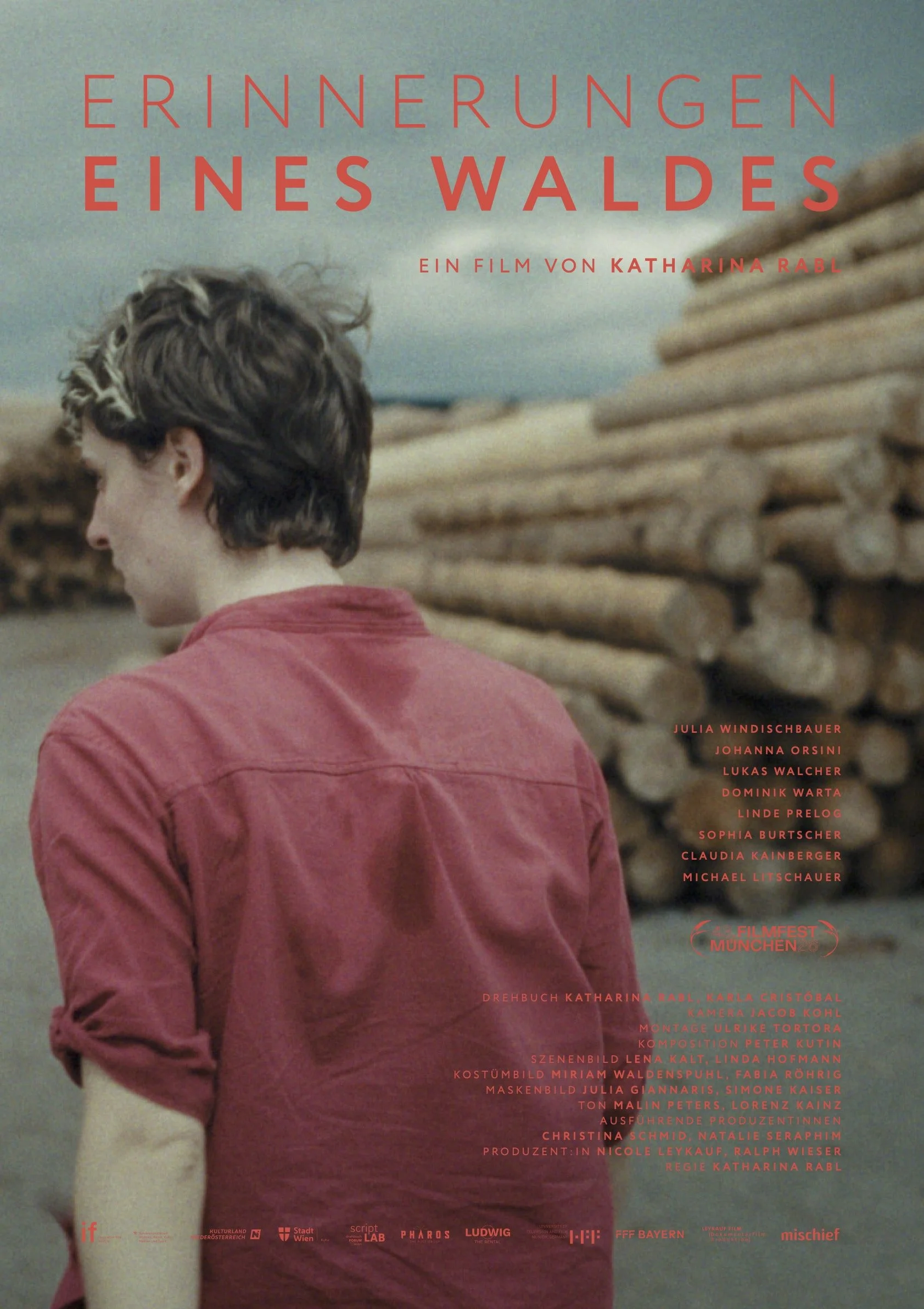
MEMORIES OF A FOREST
MEMORIES OF A FOREST
A doctoral student navigates the tension between honoring her family's legacy and pursuing her own independent path.
DIRECTOR: KATHARINA RABL
INTERNATIONAL PREMIERE | 91m | DISCOVERY
“The land holds the family’s secrets.”
Katharina Rabl’s Memories of a Forest is a quietly unsettling drama about family inheritance and what happens when the things we’re supposed to preserve become impossible to hold on to.
Frieda inherits her family’s forest and quickly discovers that it’s less of a gift than a burden. The trees are dying, money is tight and the old ways of managing the land are no longer working. At the same time, Frieda is dealing with a family history built around sacrifice, expectations and things nobody seems willing to say out loud.
Julia Windischbauer gives the film its emotional center, bringing a mix of toughness and vulnerability to Frieda. The family relationships are especially interesting, with generations repeating the same patterns even as the world around them changes.
The forest itself is almost another character. Beautiful but increasingly damaged, it becomes a powerful symbol of a family system that has been running on the same idea of growth for generations. The scenes at the sawmill are particularly striking, showing how something as organic as a tree can quickly become a commodity.
There’s a slightly eerie, fairy-tale quality to the film, helped by Peter Kutin’s looping, sometimes unsettling score. Rabl also brings a documentary sensibility to the story, shooting in real locations and using people from the region, which gives everything a lived-in feel.
Memories of a Forest can be slow and deliberately understated, but there’s plenty going on beneath the surface. It’s ultimately a film about inheritance; not just land and money, but expectations, guilt and family patterns.
A thoughtful and beautifully textured debut, it asks a simple but complicated question: what do we owe the past, and when is it time to let it go?
ANGH
ANGH
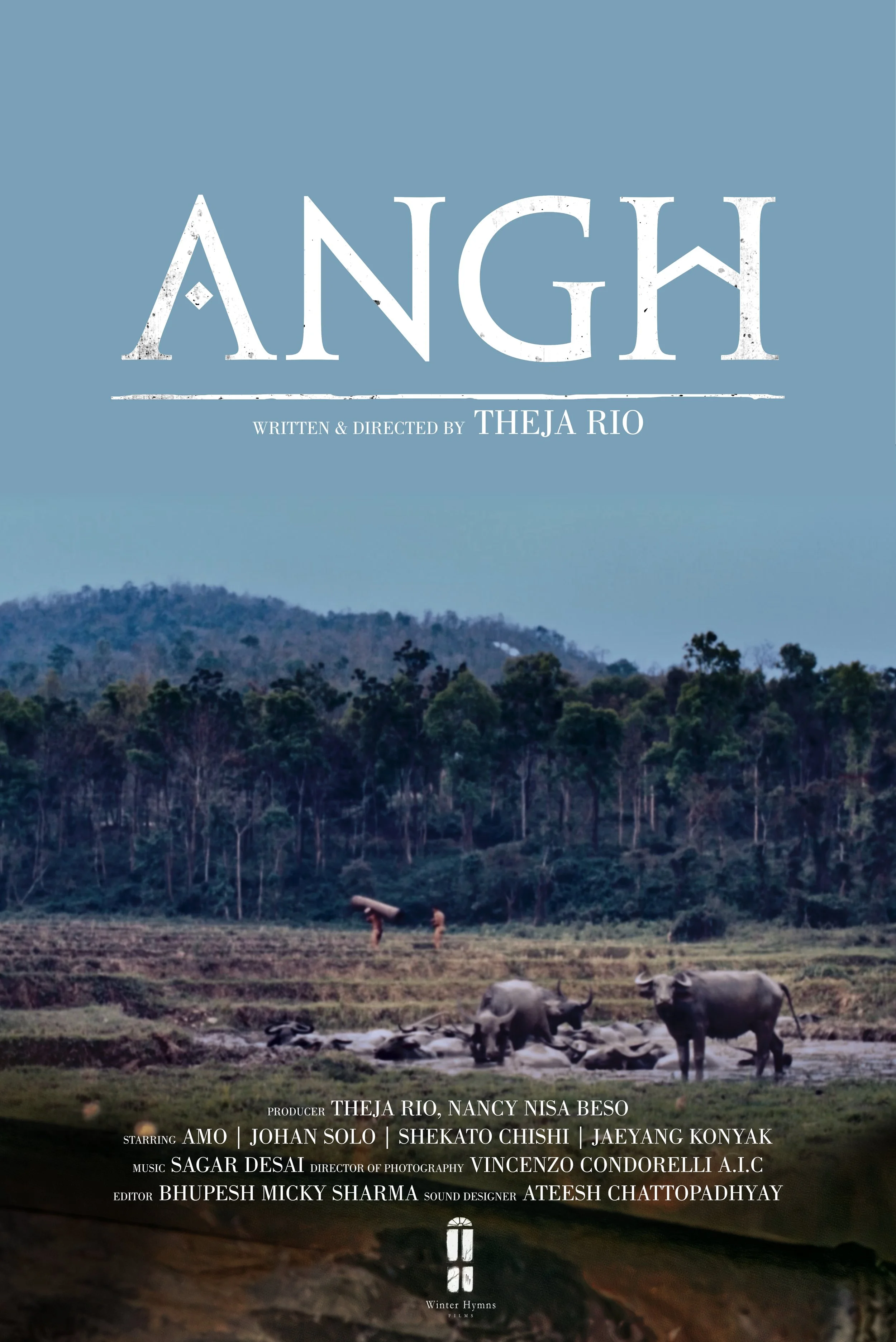
In 1960s Nagaland, a proud Konyak chief struggles to protect his dying traditions when an American missionary arrives with promises of aid that threaten his people’s identity.
DIRECTOR: THEJA RIO
WORLD PREMIERE | 103m | PLATFORM
“A gorgeous slow burn about tradition, change, and the painful cost of progress.”
Angh is a beautifully shot drama about a community caught between its traditions and an uncertain future.
Set in 1960s Nagaland, the film follows an aging Konyak chief trying to hold onto his way of life as Christianity and outside influences begin changing the village around him. What makes it interesting is that the movie doesn’t make the situation feel simple. The changes bring things like medicine and education, but they also threaten to erase traditions and a culture that has been around for generations.
Anghlong Konyak gives the character a restrained but powerful presence. He doesn’t need big speeches to communicate what Anghba is feeling. Much of the performance comes through his expressions and body language, particularly in the moments when he realizes his life’s work is at stake.
The film moves at a slow pace, but the gorgeous 16mm photography and strong central performance give it plenty of atmosphere. There’s a real sense of sadness watching a way of life slowly disappear.
Angh is thoughtful, haunting, and visually stunning slow burn. A film that looks at the complicated consequences of cultural change and what happens when progress for one generation can feel like loss to another.
SOUMSOUM, THE NIGHT OF THE STARS
SOUMSOUM, THE NIGHT OF THE STARS
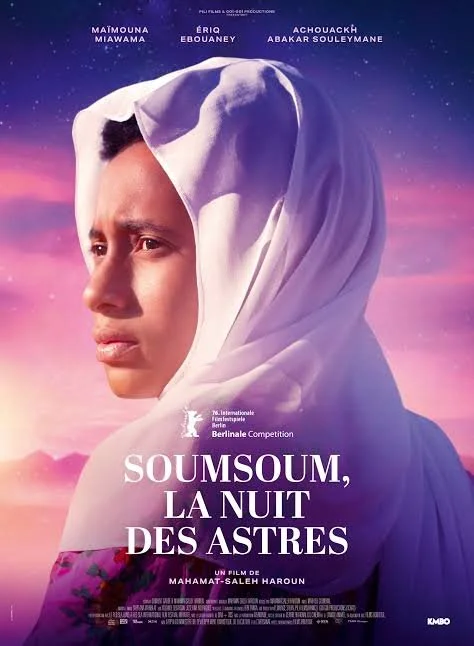
Seventeen-year-old Kellou has been gifted with supernatural powers she does not understand. Her disquiet and uncertainty only change when she meets Aya. It is an encounter with destiny that forges a mystical world where the visible and invisible converge
DIRECTOR: MAHAMAT-SALEH HAROUN
NORTH AMERICAN PREMIERE | 101m | CENTREPIECE
“A desert fable where friendship becomes a quiet act of rebellion”
Soumsoum, The Night of the Stars is a dreamy, patient film that feels like a modern desert fairy tale.
Set in Chad, it follows Kellou, a teenage girl who feels like an outsider in her village, and Aya, an older woman who is also treated with suspicion by the community. Their unlikely friendship becomes the heart of the story as they deal with traditional superstitions and people who don’t understand them.
The movie is absolutely gorgeous to look at. The vast desert landscapes and mountains give everything an almost magical feeling, and director Mahamat-Saleh Haroun mixes everyday life with mysterious, dreamlike moments in a way that keeps you guessing.
The film moves at a contemplative pace, but its atmosphere is so immersive that you quickly get lost in its world. The performances feel natural and understated, with Maïmouna Miawama standing out as Kellou, bringing a quiet strength and vulnerability that holds the film together.
It’s a movie that hones in on the mood, the characters, and the feeling of being caught between tradition and change.
HEAD TO HEAD
HEAD TO HEAD
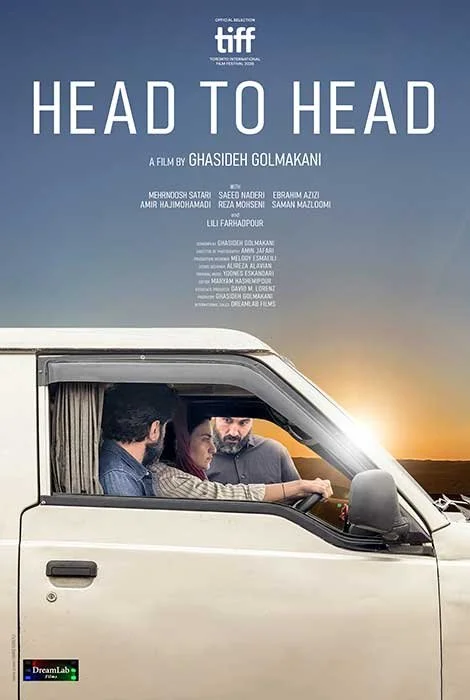
An acclaimed female director in Iran requires male actors to wear skirts and headscarves for her film. As they struggle with the heat and restrictions, tension mounts and resistance grows against her vision.
DIRECTOR: GHASIDEH GOLMAKANI
WORLD PREMIERE | 80m | DISCOVERY
“When the rules change, everyone notices.”
Ghasideh Golmakani’s Head to Head is a sharp, darkly funny look at gender dynamics and the absurd rules women face in Iran.
The film follows Bahar, a determined female director whose latest movie requires her male actors to wear skirts and headscarves. What starts as an amusing role reversal quickly becomes uncomfortable when the actors push back and the authorities take notice.
The joke is simple, but Golmakani takes it somewhere more interesting. As the men experience restrictions they’ve never had to think about, the film asks what happens when the rules suddenly apply to them. The result is funny at times, but there’s an edge underneath it all.
Mehrnoosh Satari gives Bahar plenty of bite, while the film wisely avoids making her a perfect hero. She can be stubborn, provocative and even vindictive, which makes the story more complicated and more human.
With its mix of comedy and social tensions, Head to Head works best when it lets the absurdity speak for itself. It’s a clever film about seeing the world from someone else’s perspective and questioning the rules we’ve simply learned to accept.


