

World Without Cows - Review
/
Courtesy of World Without Cows
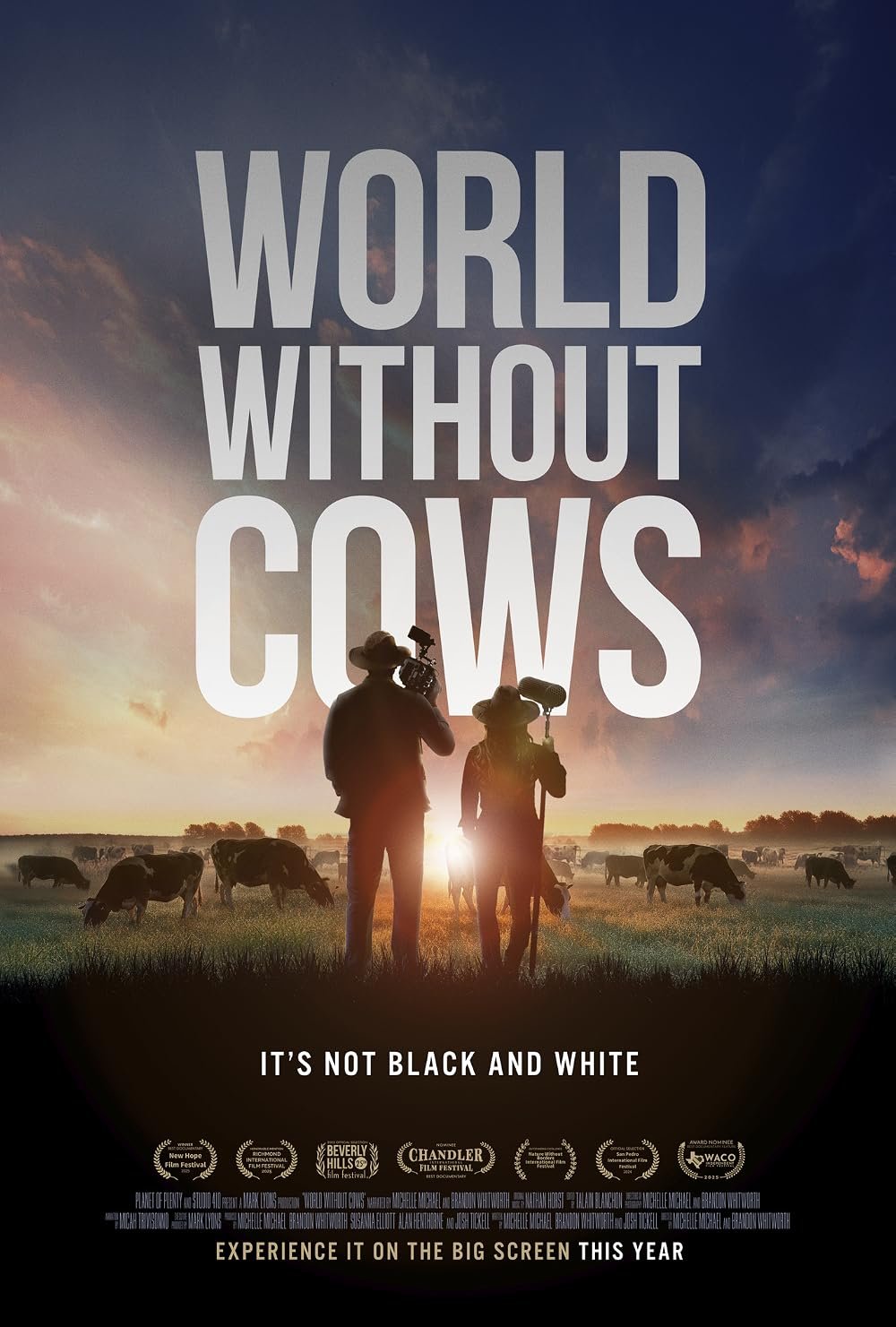
WORLD WITHOUT COWS
The award-winning documentary that challenges what we think we know about cows, climate, health, and the future of our planet. Through a global journey spanning 22 countries and five continents, the film explores the complex relationship between food, sustainability, biodiversity, and the people whose lives hang in the balance.
DIRECTORS: Michelle Michael, Brandon Whitworth
WRITERS: Michelle Michael, Brandon Whitworth, Josh Tickell
Executive Producer: Mark Lyons
DOCUMENTARY | RUNTIME: 81m
World Without Cows is a documentary that explores the importance of cows in our lives and what the world might look like if they disappeared. It showcases different perspectives from farmers, scientists and experts in order to explain how cows contribute to food production and support many communities.

World Without Cows Directors Michelle Michael Brandon Whitworth
Directors Michelle Michael and Brandon Whitworth, travelled across 22 countries and five continents, in order to explore the relationship between humans and cattle. Through interviews with farmers, scientists and agricultural experts, the documentary challenges the common perception that cows are simply a major contributor to climate change. It instead explores their more complicated role in agricultural systems, including their contributions to soil fertility, food security and rural economies.
One of the film's greatest strengths is its stunning cinematography through beautiful landscapes, scenic farms and visually appealing infographics. The international perspective also helps viewers understand how cattle serve different purposes in different cultures and communities.

World Without Cows Michelle Michael at Buck Island Ranch, Florida,USA
One of the most interesting points in the documentary is the idea that cows are connected to many important moments in human life. The statement “Every rite of passage needs a cow” highlights how cattle can play a major role in traditions, celebrations and important life events in different communities. Cows are not just a source of food or income; they can also have social and cultural significance. It highlights how removing cows from society could affect people in ways that go beyond what we eat.
The documentary also discusses climate change and the impact cows have on the environment. One of the main arguments presented is that fossil fuels are responsible for a much larger share of greenhouse gas emissions than cattle. The film compares the estimated contributions, suggesting that fossil fuels account for around 70%, while cows account for approximately 5%. These figures emphasize that climate change cannot be blamed on cattle alone. The documentary also suggests that if everyone became vegan, it could benefit the climate, but it would not stop climate change entirely because emissions from energy, transportation, industry and other sources would still exist. I found this argument interesting because it shows the importance of addressing multiple sources of emissions instead of focusing on only one.
Courtesy of World Without Cows
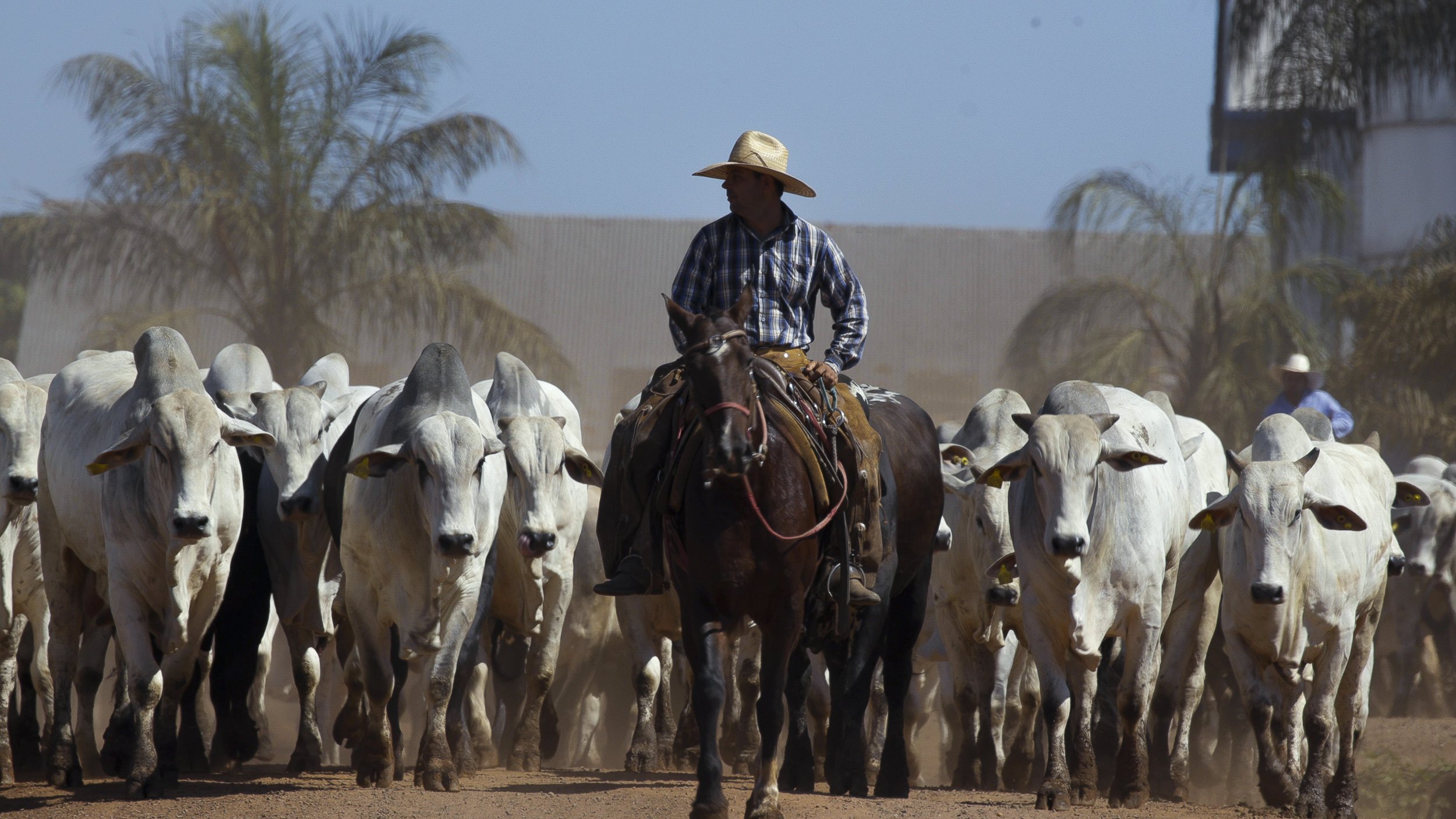
Another important topic is the role cows play in food production. The documentary explains that cows can turn materials that humans cannot digest, such as grass and certain agricultural byproducts, into food that humans can eat, including milk and beef. This is especially relevant when considering land that is unsuitable for growing crops. If cattle can graze on marginal land that cannot easily support crop production, they may provide food from resources that people could not use directly. This raises an important question: if cows disappeared, what would happen to all the land that is useful for grazing but not suitable for growing crops?
The documentary encourages viewers to consider these differences rather than assuming all land used for livestock could produce crops instead. However, I think it is also important to recognize that some cattle are raised on land that could be used for growing food directly and raising livestock can require substantial amounts of land, water, and feed, especially when dealing with mass transportation of meat. Looking at both situations would provide a clearer understanding of how cattle fit into sustainable food production.
Courtesy of World Without Cows
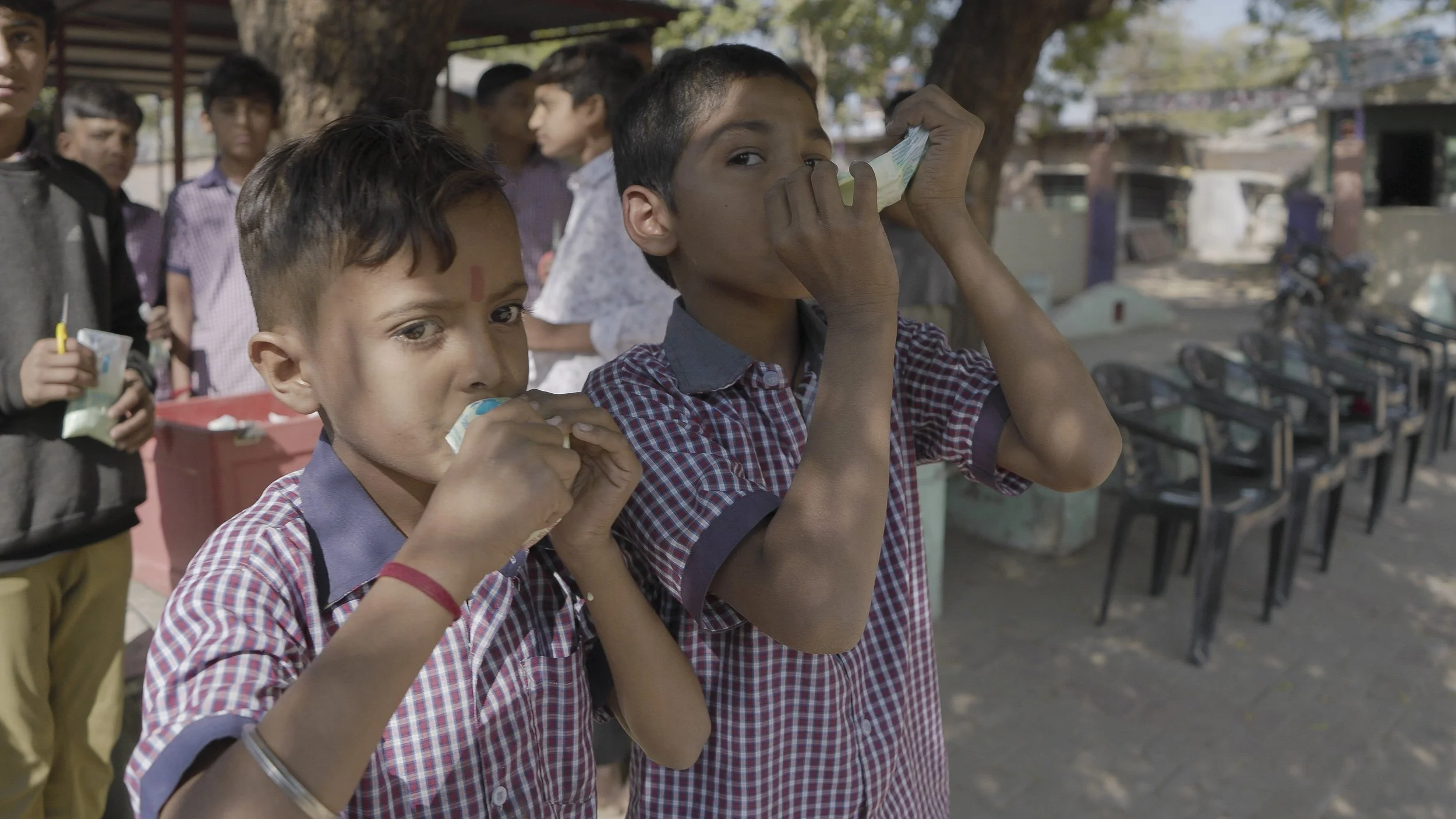
Human nutrition is another major point raised in the film. The documentary argues that animal foods provide nutrients that are important for our bodies. Foods such as milk, beef, and other animal products can supply protein, vitamin B12, iron, and other nutrients not provided elsewhere. This makes the discussion about removing cows more complicated than simply deciding whether people should eat meat or follow a vegan diet. At the same time, people can obtain the nutrients they need through carefully planned plant-based diets and fortified foods or supplements when necessary. The most important takeaway is that any major change in our food system needs to consider human health, access to nutritious food and the different circumstances people face around the world.
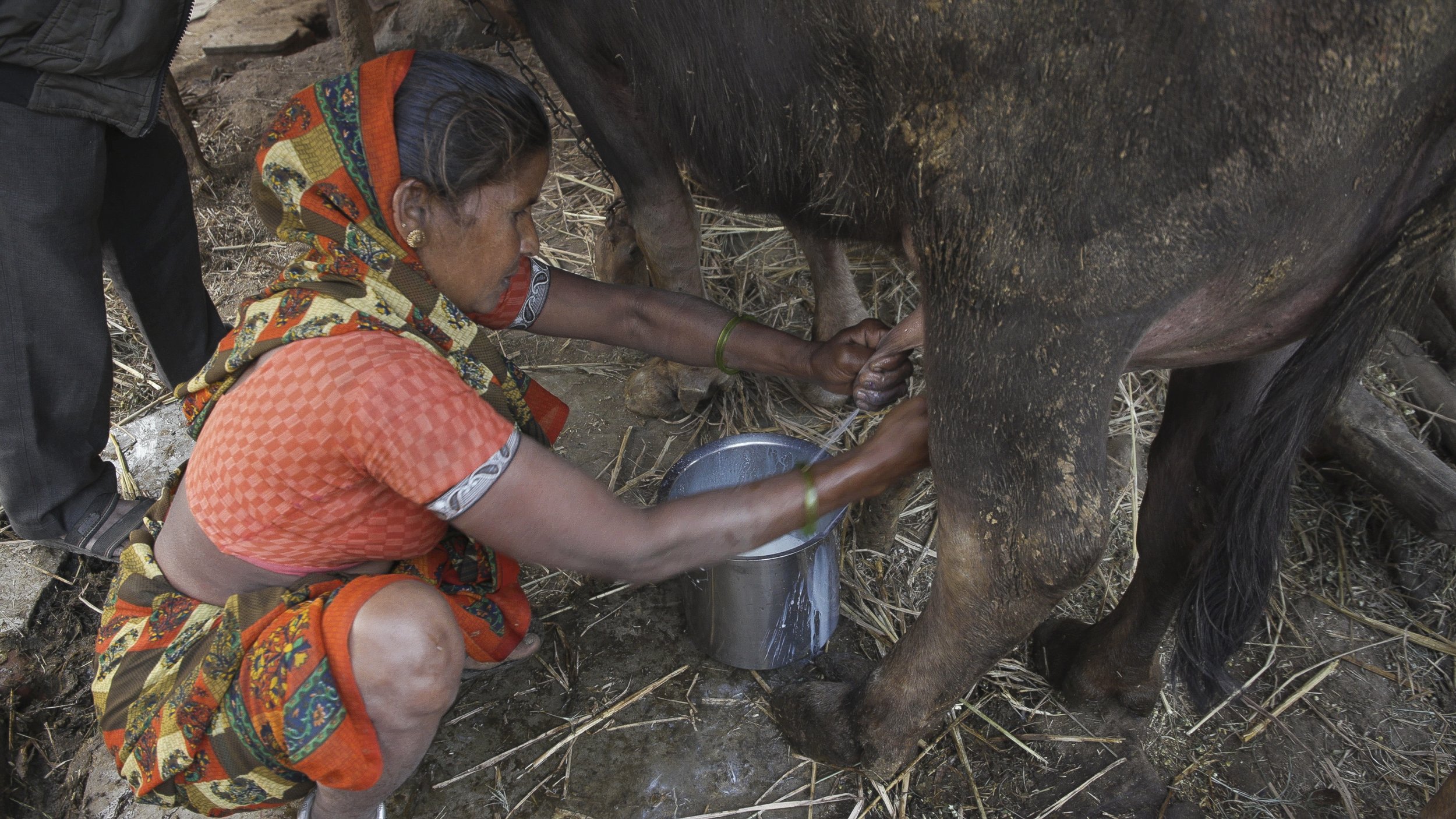
The film also brings attention to the economic importance of the dairy industry and the amount of money invested in dairy production. Dairy farming supports entire communities so losing cattle would therefore affect more than food choices; it could also affect employment, local economies and agricultural industries. If a country depends heavily on imported food, it may be more vulnerable to supply disruptions and price increases. Supporting local agriculture could help strengthen food systems, although the exact percentages and implications depend on the country and the products being discussed.
Courtesy of World Without Cows
Overall, World Without Cows is an informative documentary that challenges viewers to reconsider the role of cattle in modern society. It encourages viewers to look at the issue from multiple perspectives and recognize that there is no single solution to every environmental problem. The stakes may be high, but we can still meet the goals needed.


