

TIFF's DOCUMENTARY WATCHLIST 2026
/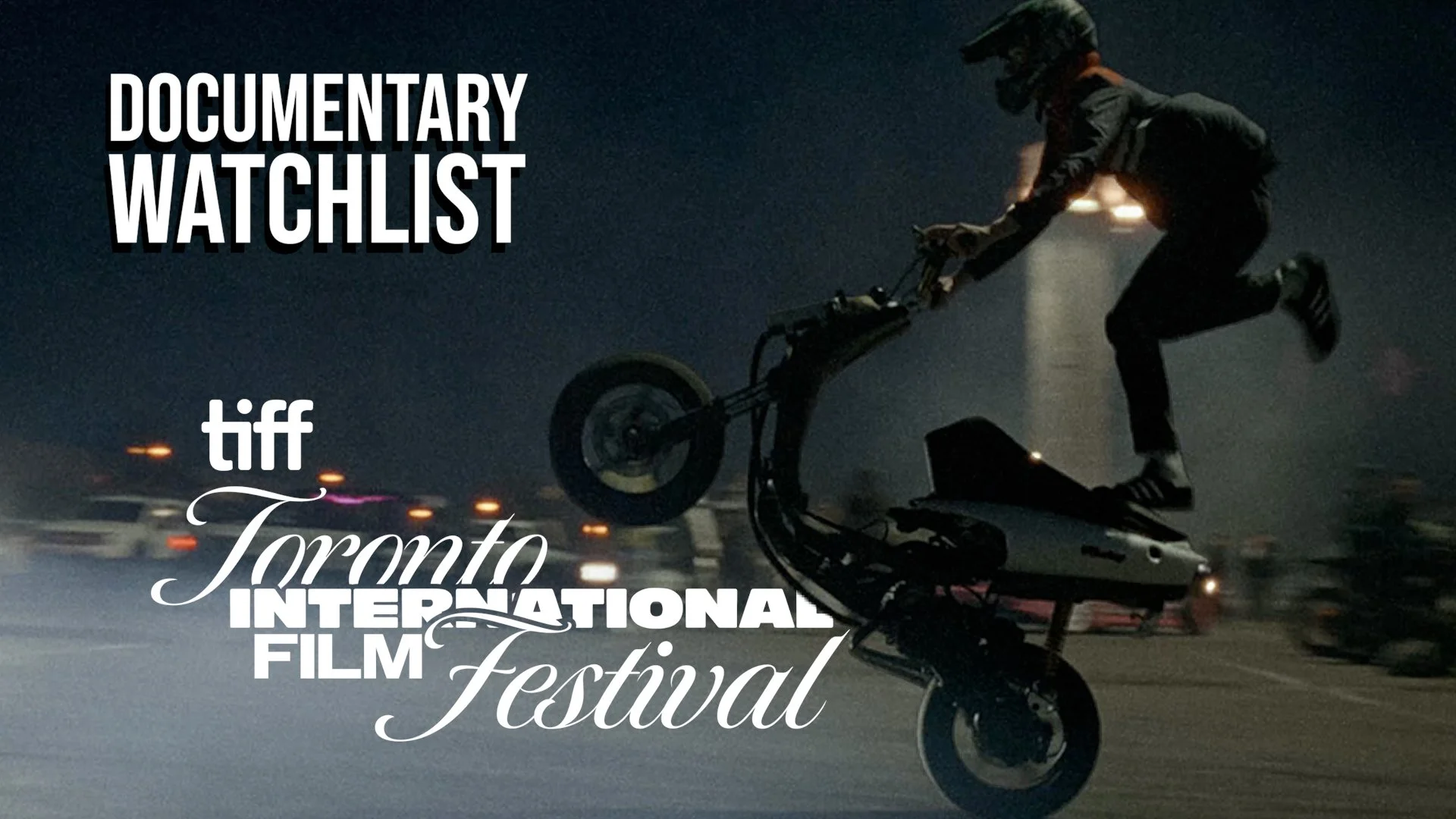
The Toronto International Film Festival’s 2026 TIFF DOCS lineup celebrates the power of non-fiction storytelling, bringing together 21 films from 20 countries, including 18 World Premieres. Spanning archival portraits, intimate character studies, and stories from global front lines, the program showcases documentaries that illuminate untold stories, challenge perspectives, and spark conversation. Check out our TIFF DOCS watchlist below!
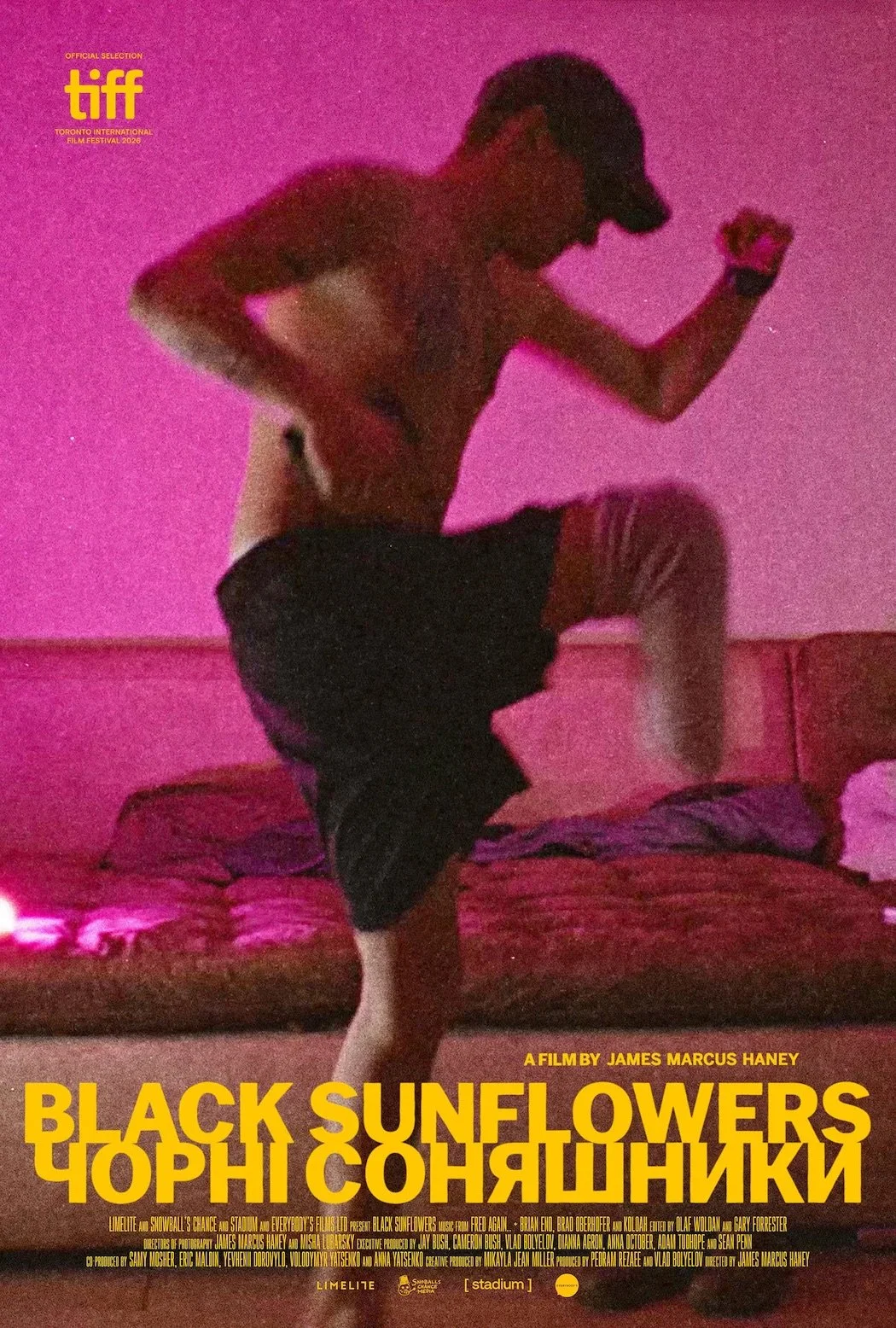
BLACK SUNFLOWERS
BLACK SUNFLOWERS
A powerful portrait of Ukrainian youth navigating life between the frontlines and the home front.
Director: James Marcus Haney
WORLD PREMIERE | 97m | TIFF DOCS
“What does it mean to live when the world around you is dying?”
James Marcus Haney’s Black Sunflowers documents this through Ukraine’s youth: consisting of underground ravers, street drifters and lovers. By juxtaposing the brutality of war with fleeting moments of joy, Haney explores how a new generation comes of age in a reality where their most consequential decisions are often beyond their control.
Haney began filming after traveling to Ukraine in 2022, continuing the project over the next three years to capture the striking duality of young people whose lives oscillate between nights at clubs and the harsh reality of finding themselves on the front lines the following day.
The title harkens back to Cynthia LeBrun’s novel of the same name in which a young Soviet girl faces the horrors of WWII. In the same way, the film contrasts the loss of innocence that war has withered away with the resilience that emerges through the fire.
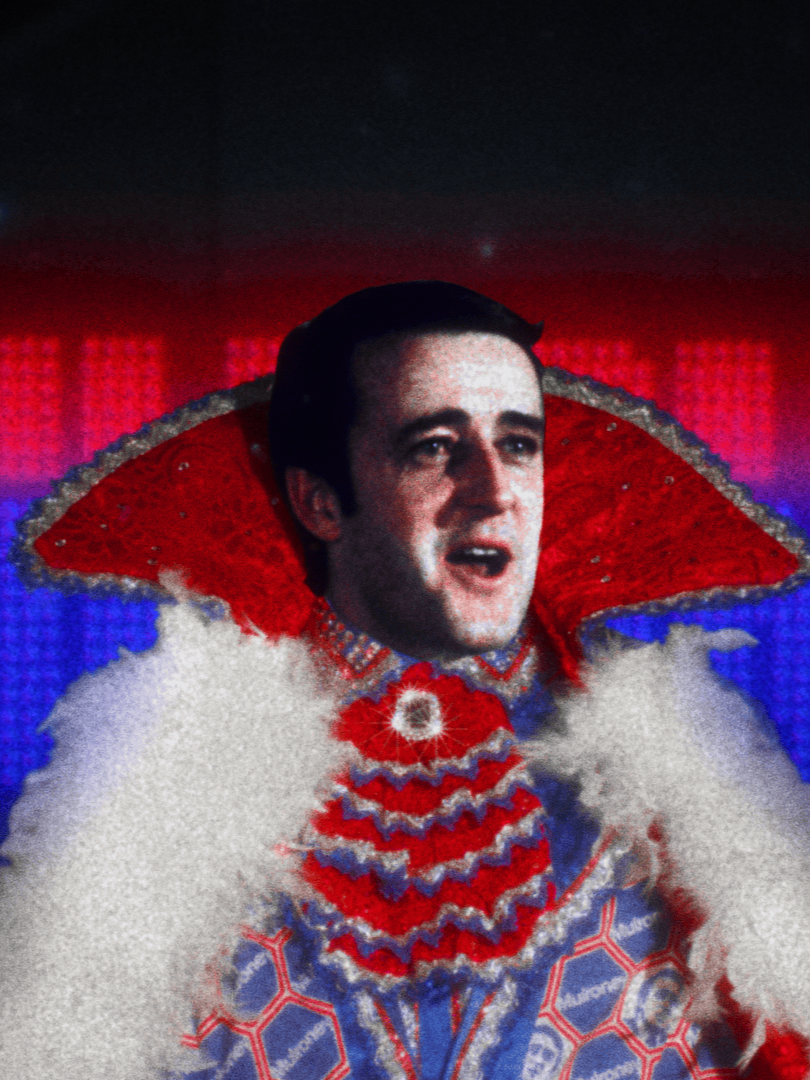
LADIES AND GENTLEMEN, BRIAN MULRONEY
LADIES AND GENTLEMEN, BRIAN MULRONEY
The greatest Canadian politician in the history of the universe.
Haunted by visions of the future. Vilified by the political establishment. Charming beyond belief. Behold the dazzling ascent of Brian Mulroney, the “Boy from Baie-Comeau” who built a brand-new Canada.
DIRECTOR: MATTHEW RANKIN
WORLD PREMIERE | 105m | MIDNIGHT MADNESS
“Ladies and Gentleman allows Mulroney’s television persona to emerge, mutate and occasionally become something stranger than the historical record alone might suggest.”
Brian Mulroney is a character. As prime minister from 1984 to 1993, Brian Mulroney presided over a period of profound political and social change, from the negotiation of the Canada–U.S. Free Trade Agreement to the fight against acid rain.
The film’s most compelling argument is ultimately made through its cinematic language. The film treats history not simply as a sequence of facts but as raw material for collage, satire, genre and abstraction. Archival footage is not merely deployed to illustrate the past; it becomes the substance of the film itself.
Matthew Rankin (Universal Language, TIFF 2024), began his filmmaking experiments editing strange Winnipeg TV commercials that would play with form and content. As he puts it, “I want the viewer to occasionally doubt what they are seeing. Not because the images are false, but because images can be persuasive in ways that facts alone cannot explain.”
Similarly, Mulroney sought to bridge Canada’s linguistic and regional divides. Perhaps fittingly, he was already a cinematic figure. A politician who understood television instinctively and recognized that charisma itself could be a form of power.
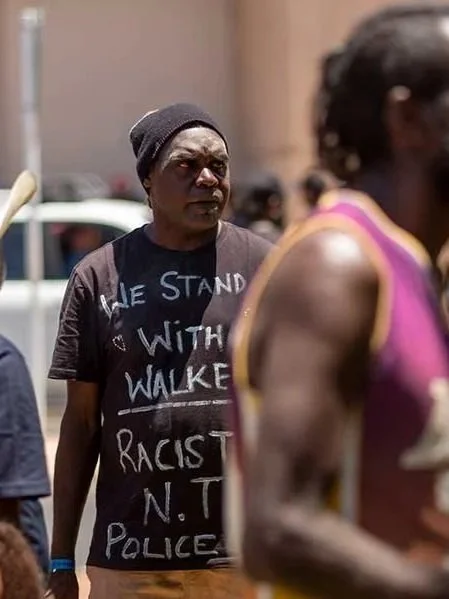
2.6 SECONDS: DEATH IN THE OUTBACK
2.6 SECONDS: DEATH IN THE OUTBACK
TV SERIES
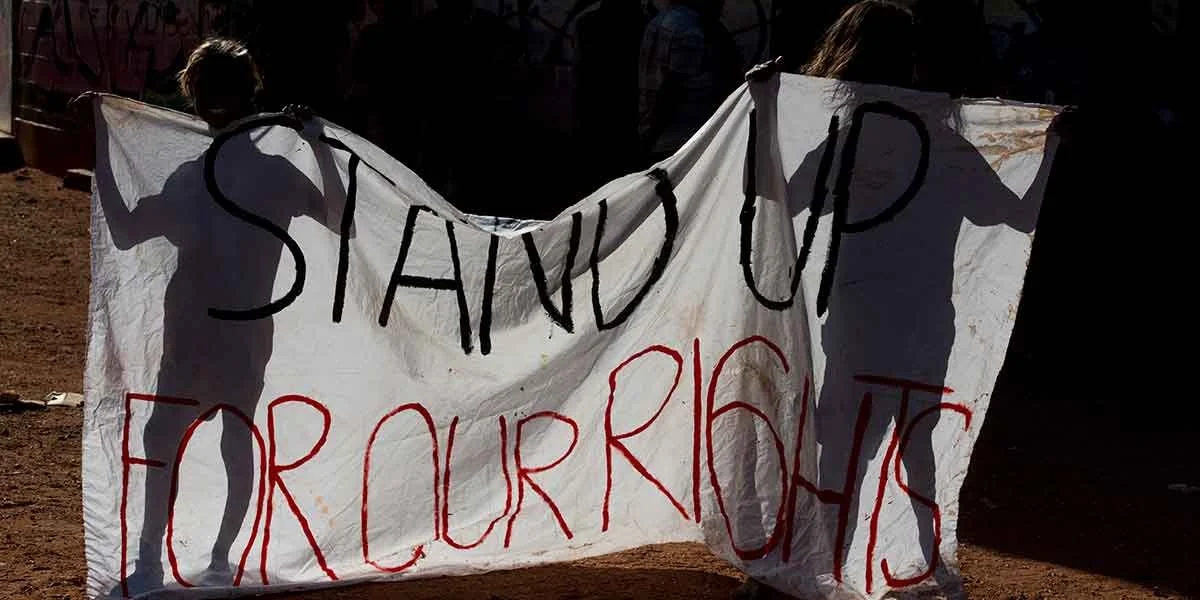
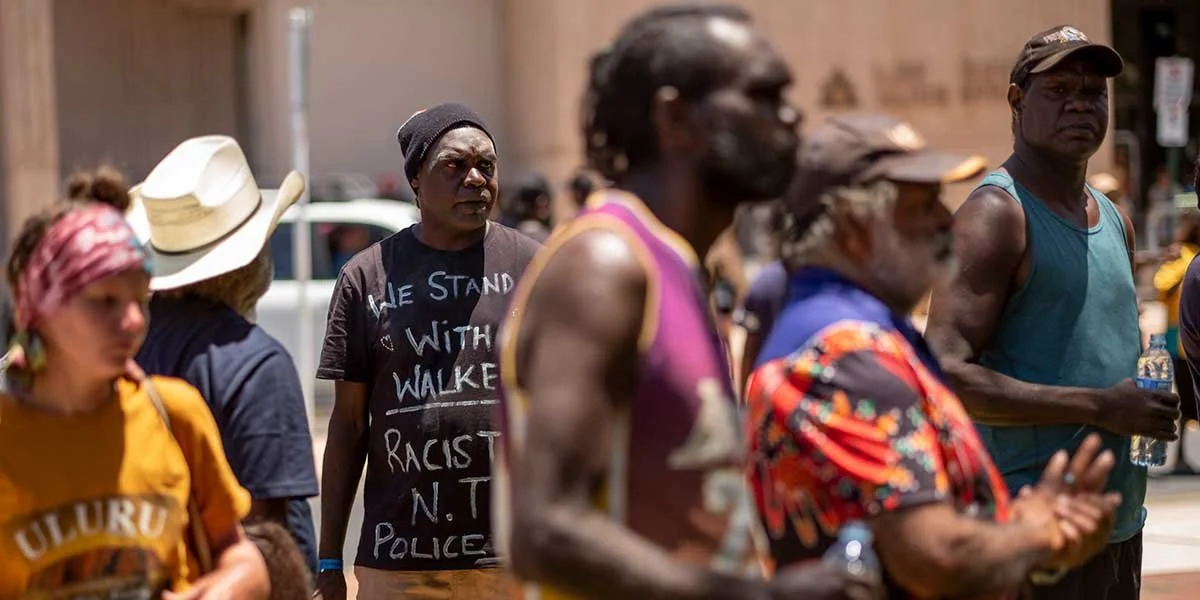
Kumanjayi Walker, 18, of the Warlpiri Luritja people, was shot and killed by police officer Zachary Rolfe, 27. Three shots fired in under three seconds.
DIRECTOR: DARREN DALE
WORLD PREMIERE | 118m | PRIMETIME
“The series demonstrates how an event lasting mere seconds can expose decades of history.”
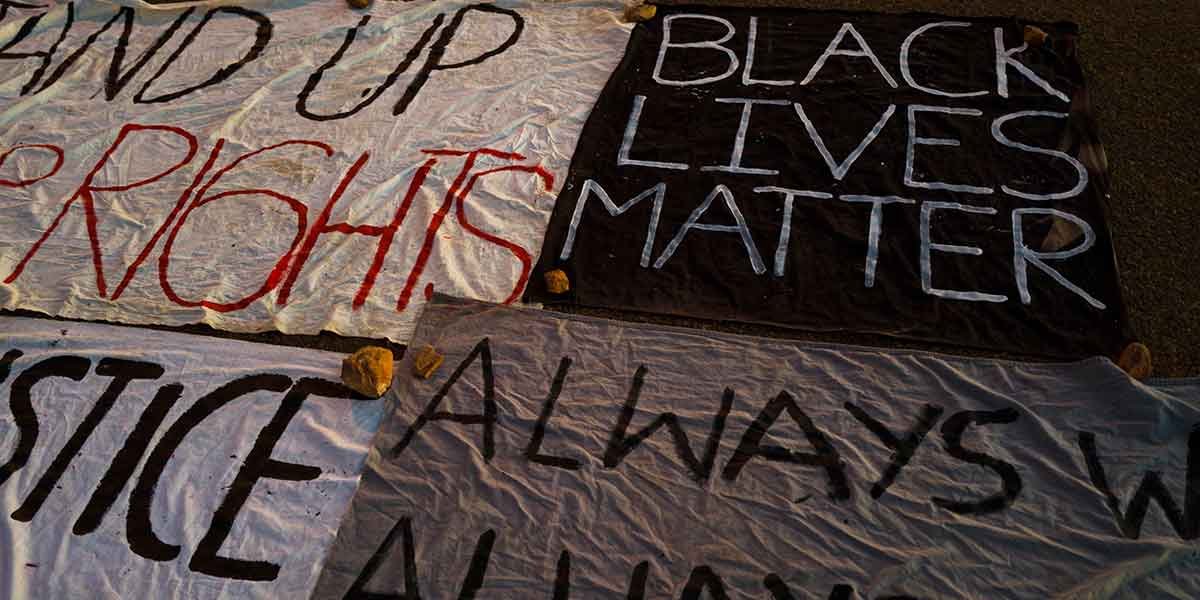
2.6 Seconds: Death in the Outback is a four-part documentary series examining the fatal shooting of 19-year-old Kumanjayi Walker in Yuendumu and the national debate that followed. The title refers to the brief interval between the first and second shots fired by police officer Zachary Rolfe, reconstructing the events through bodycam, emergency calls and testimonies from the community.
Rather than treating the shooting as an isolated incident, the series places the tragedy within the broader history of policing and race in Central Australia, while examining police planning, conduct and institutional culture. Its greatest strength is keeping Walker and his family at the emotional center of the story, while powerfully capturing the profound and lasting impact of what happened in the aftermath.
LIKE MAGIC
LIKE MAGIC
Por Arte de Magia
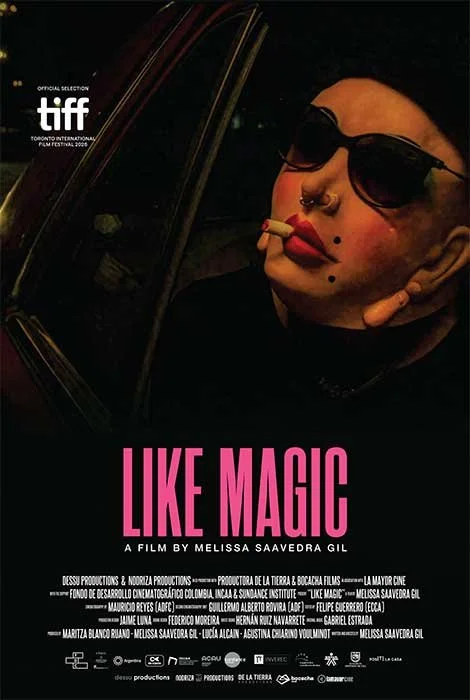
Blending archival footage, personal testimony and a decades-long search for answers, Melissa Saavedra Gil transforms a childhood tragedy into a powerful exploration of memory, truth, and healing. An intimate and deeply resonant debut that illuminates both a personal story and a generation shaped by violence.
DIRECTOR: MELISSA SAAVEDRA GIL
WORLD PREMIERE | 75m | TIFF DOCS
“A intimate feature about how childhood trauma can affect memory and truth.”
Director Melissa Saavedra Gil was just three years old when her parents were murdered. She survived, but grew up with a version of their deaths that would later prove incomplete. As an adult, Saavedra Gil returns to Cali, Colombia to question what really happened.
An intimate and deeply personal film, Like Magic explores the fragile relationship between trauma and the possibility of healing without ever receiving all the answers. Blending archival footage and surreal recreations of “animal” witnesses , the film offers an unexpected twist on the true-crime genre. It is ultimately not a search for a culprit or a definitive solution. Instead, she looks back in order to reclaim her parents' story and find a way to move forward with a future of her own.
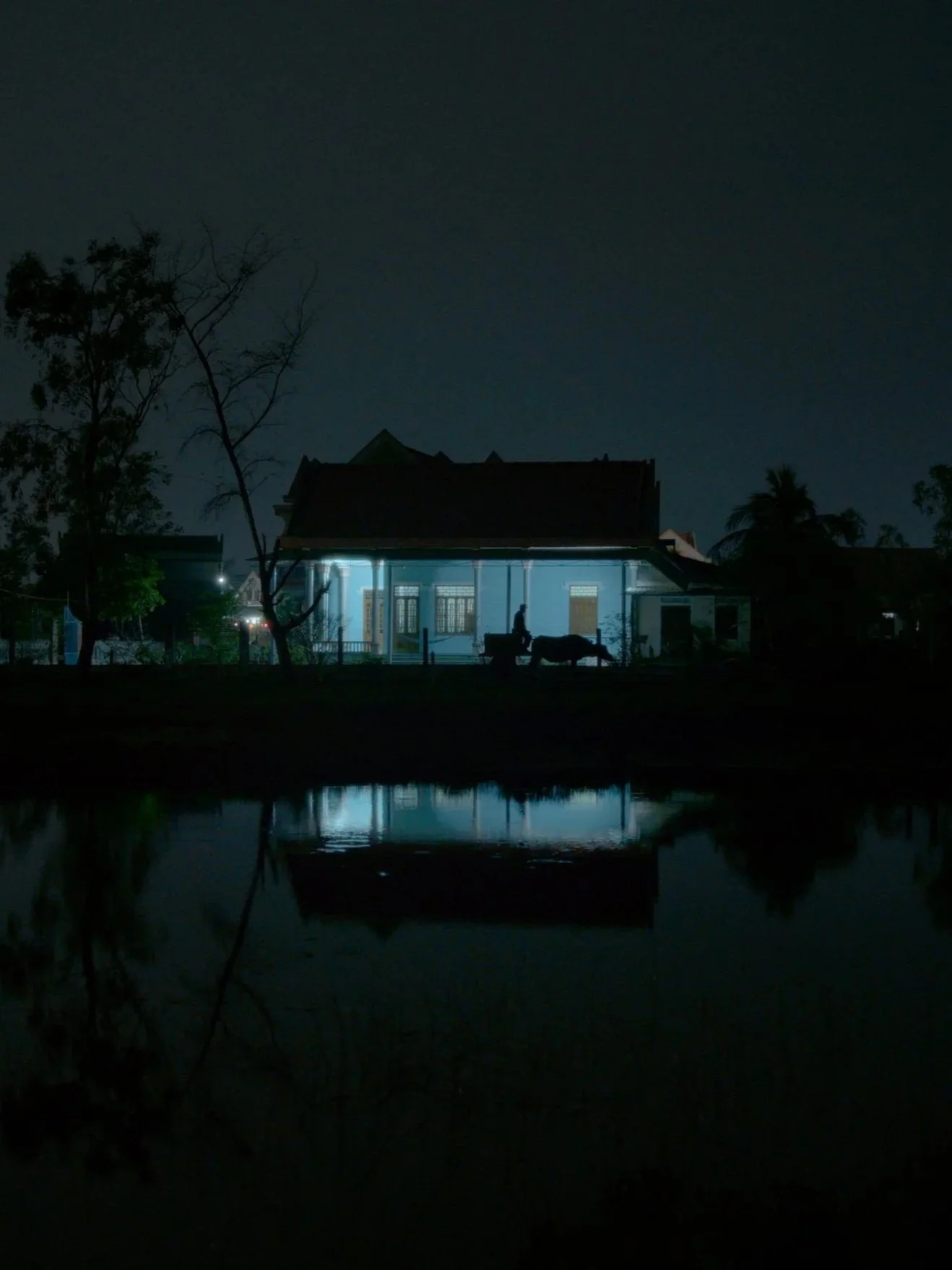
STILL NIGHT, BURNING HOUSE
STILL NIGHT, BURNING HOUSE
In Carol Nguyen's feature debut, a family journeys to Vietnam, where together they face long-unspoken questions about an uncle's mysterious death.
DIRECTOR: CAROL NGUYEN
WORLD PREMIERE | 76m | TIFF DOCS
“Grief lingers where silence takes over.”
Carol Nguyen’s feature debut Still Night, Burning House is a deeply personal documentary about grief, family and the things we sometimes leave unsaid. Nguyen turns the camera on her own Vietnamese-Canadian family as they try to make sense of her uncle’s suicide more than a decade after his death.
Rather than trying to find one clear explanation, the film looks at what happens when a family carries unanswered questions for years. Old memories resurface, difficult conversations finally happen, and a trip to Vietnam gives the family a chance to reconnect with their history while trying to make peace with the past.
The film’s biggest strength is its honesty. Nguyen doesn’t force big emotional moments or easy answers. Some of the most powerful scenes are simply family members sitting together, talking, remembering and occasionally struggling to find the right words.
The Vietnam sequences are especially beautiful, with the landscapes and Buddhist rituals giving the film a reflective, almost dreamlike quality. There are moments when the pacing feels slow and some conversations circle the same ground, but that also feels true to the way grief works.
What starts as a search for answers becomes something more personal; a story about learning to talk about loss and finding a way to live with what can’t be changed.
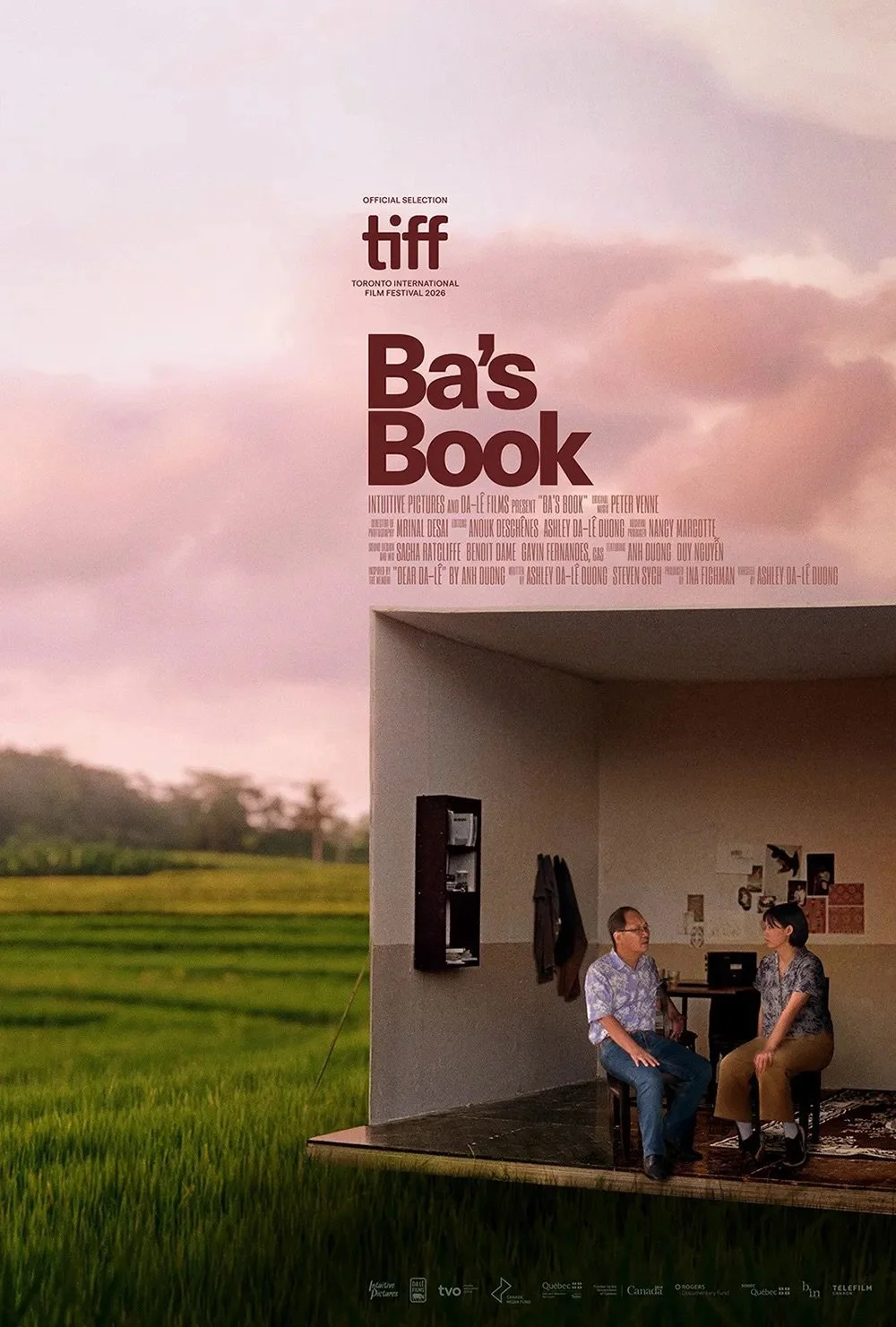
BA’S BOOK
BA’S BOOK
After a father writes a memoir in the form of letters to his daughter about his harrowing experiences of the Vietnam War and the Iranian Revolution, the daughter responds by making a film.
DIRECTOR: ASHLEY DUONG
WORLD PREMIERE | 103m | TIFF DOCS
“A moving reminder that understanding the past can bring us closer in the present.”
Ba’s Book is a really lovely, personal documentary about family and trying to understand where you come from.
Ashley Duong builds the film around her father’s memoir and his memories of war and migration, but instead of simply interviewing him, she brings those stories to life with staged scenes featuring members of her own family. It gives the movie a fun, unusual quality while also making the memories feel much more intimate.
There’s plenty of history here, but the film never feels like a history lesson. It’s really about a father and daughter trying to connect through stories that have been carried around for years. The mix of family footage and reenactments works surprisingly well and leads to several humorous moments.
Warm, thoughtful, and occasionally playful, Ba’s Book is a touching film about how telling the past can help a family understand each other in the present.
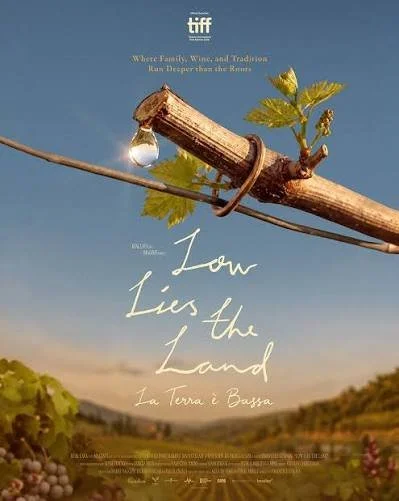
LOW LIES THE LAND
LOW LIES THE LAND
Set in the breathtaking landscapes of Piemonte in Northern Italy, the lives of three winemaking families face an uncertain future.
DIRECTOR: EMANUELE GEROSA
WORLD PREMIERE | 92m | TIFF DOCS
“A gentle look at a family fighting to preserve its roots.”
Emanuele Gerosa’s Low Lies the Land takes us into Italy’s Piemonte wine country, where families are struggling to hold on to their vineyards and a way of life passed down through generations.
The film moves at an unhurried pace, spending time with the people who work the land as they deal with drought, changing weather and the growing pressure to sell. Gerosa doesn’t push the story; he simply watches, letting the family conversations and everyday work reveal what’s at stake.
The vineyards are beautiful, but there’s a real sense of fragility underneath all that beauty. At its heart, this is less a film about wine than about family and tradition. There’s a quiet tension between the older generation, determined to preserve the family land, and the younger ones wondering if that life is still possible.
It’s a documentary that takes its time and asks you to do the same.


