

TIFF's Thriller WATCHLIST 2026
/
The 51st edition of the Toronto International Film Festival returns from September 10–20, 2026, bringing together an exciting selection of films from around the world. For anyone looking to discover some of the festival’s most intriguing thrillers, be sure to add these titles to your watchlist.
LOVE IS A MONSTER
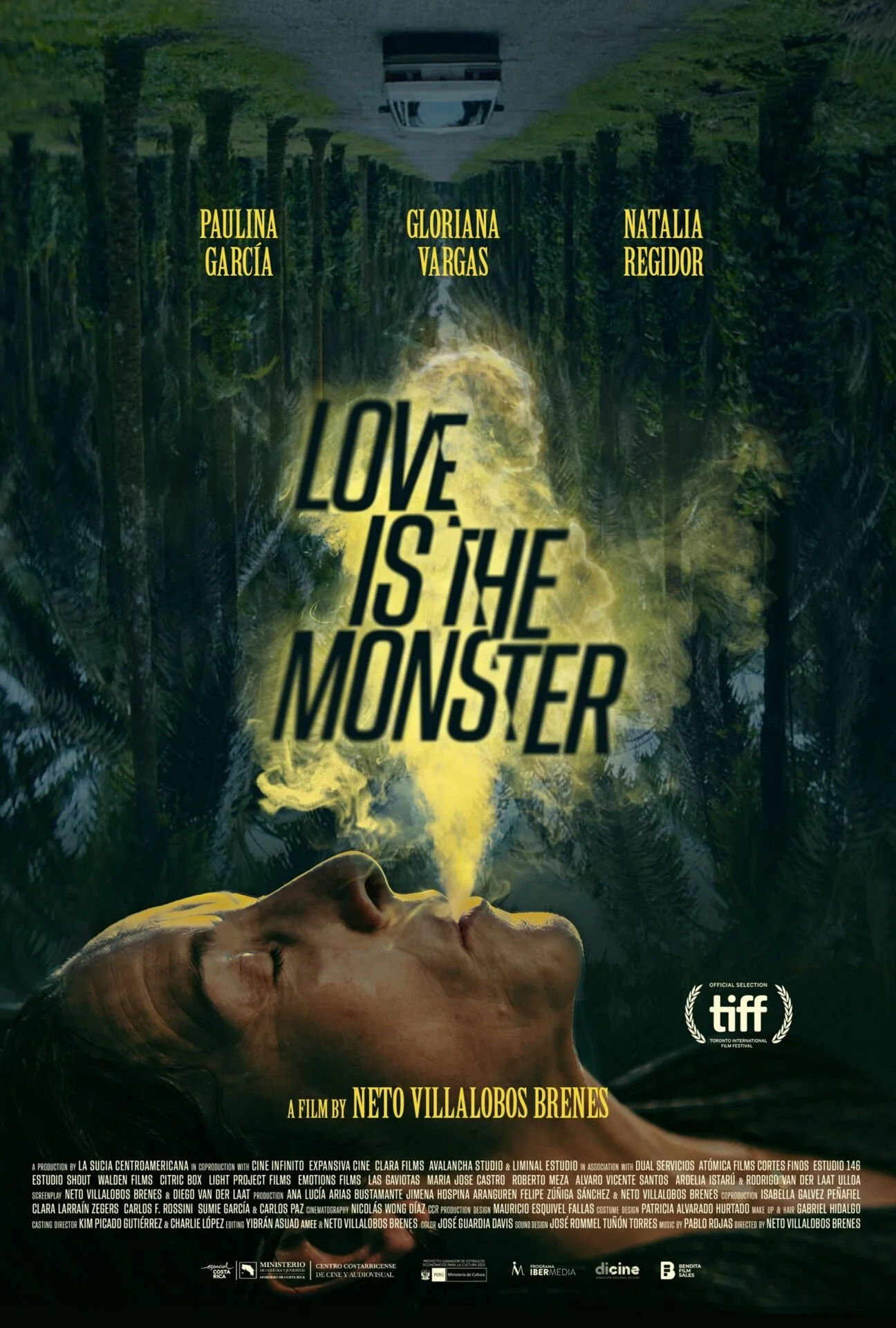
LOVE IS THE MONSTER
Amor es el monstruo
In a dystopian world marked by inequality and everyday violence, a grandmother is determined to make the most of the time she has left with her granddaughter. But as a series of events pushes them into increasing danger, love and fear begin to blur, forcing her to cross lines she never imagined.
DIRECTOR: NETO VILLALOBOS
WORLD PREMIERE | 95m | CENTREPIECE
What would you become to protect the ones you love?
Neto Villalobos Brenes’ tense dystopian thriller is set in a near-future Costa Rica where fear and violence have reshaped the landscape. Society has been divided into heavily guarded sections as a conflict rages off screen.
At the center is a grandmother, played by Paulina García, who wants nothing more than to spend time with her six-year-old granddaughter. Her relationship with her daughter is complicated so her desire to be close to the child meets resistance. When an incident pushes the family into dangerous territory, the grandmother is then forced to confront just how far she is willing to go to protect someone she loves.
García gives the character a performance that makes her increasingly difficult to categorize. She is loving and fiercely protective, but also stubborn, desperate and capable of crossing boundaries. As the threat surrounding the family grows, so does the tension between her desire to protect her granddaughter and the possibility that her actions may ultimately put the child in greater danger.
That is where Love Is the Monster finds its most compelling territory. The film uses the dystopian setting as a backdrop, but its real subject is the family. The frightening part isn't necessarily the violent world outside; it is what that world can draw out of people. Love, under enough pressure, can become possessive and envelope one in fear.
By the time the grandmother is pushed to the limits of what she is willing to do, the title takes on its full meaning. The monster isn't simply the fractured society surrounding her. It may be the person we become when the need to protect someone we love overwhelms every other moral boundary.
IN ALASKA
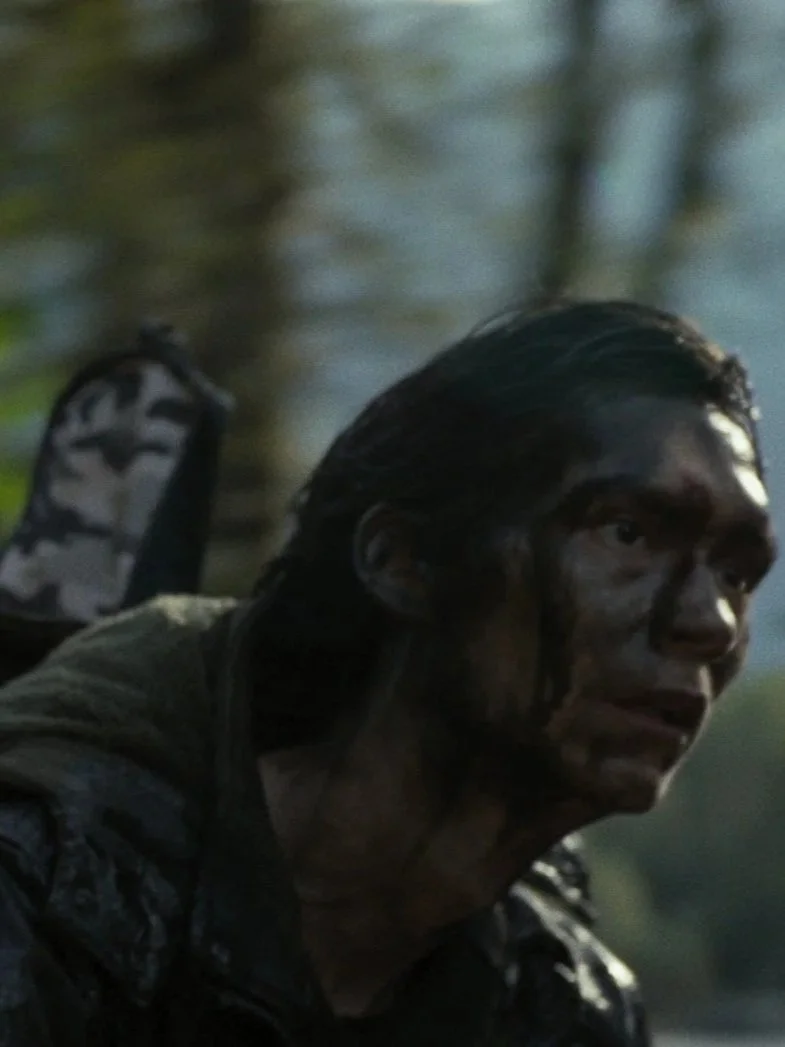
IN ALASKA
When a suicidal Inuk teen accidentally pierces an oil pipeline with a bullet, the FBI launches a full-scale manhunt across the northern wilderness.
DIRECTOR: JAAP VAN HEUSDEN & VINNIE KARETAK
WORLD PREMIERE | 108m | SPECIAL PRESENTATIONS
“A survival thriller about about what it means to find oneself when there is nowhere else to go.”
Woody, a troubled 17-year-old Inuk teenager, chooses to end his life but accidentally pierces a pipeline in the process turning his personal crisis into a national emergency. Suddenly, his struggle to survive his own despair leaves him being pursued as an eco-terrorist.
What begins as a tense chase thriller gradually becomes something more contemplative: a story about depression and belonging. As Woody flees north toward Nunavut in search of family members he has never met, the journey becomes as much about discovering himself as escaping the authorities. The film also makes striking use of the landscape, treating the vast northern wilderness almost as a character in its own right. A place that reflects Woody’s isolation while also offering the possibility of connection and renewal. A line added by actress Zorga Qaunaq, “Don't half yourself” captures the film's message about embracing a whole identity rather than choosing between parts of oneself.
Woody's alienation is also connected to a larger history of displacement, including his mother's experience as a residential-school survivor. The film suggests that the damage of that history isn't confined to the past; it can echo through families and shape how younger generations understand themselves.
Noomi Rapace plays Susan Tarheel, the FBI agent leading the pursuit. Rapace brings a restrained intensity to the role, and there are moments when her investigation becomes a parallel attempt to understand the teenager as well as something personal that isn’t fully explored. It’s an intriguing thread, though the film leaves you wanting more of it.
The ending presents a genuine moral quandary in the way it chooses to resolve Woody’s journey, and it may leave viewers wrestling with its implications. Still, the film is anchored by a compelling performance from newcomer Leo Matthew Temela, a musician making an impressive screen debut.
Ultimately, the film works best when it moves beyond the mechanics of the chase and focuses on Woody’s search for family and a reason to keep going. It is an imperfect but affecting story that uses its expansive landscape and strong central performance to explore what it means to find oneself when you feel there is nowhere left to go.
GOD BLESS YOU, MR. KOPU
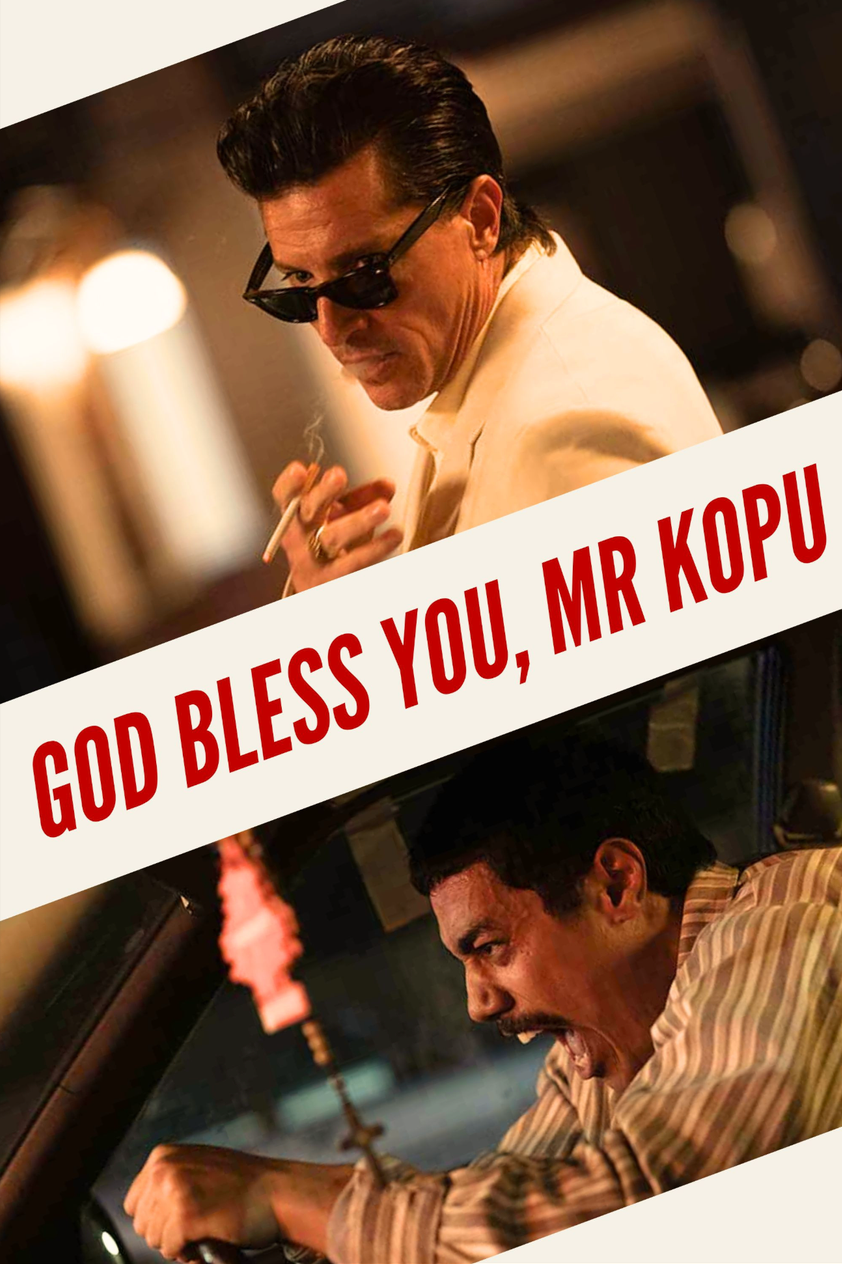
GOD BLESS YOU, MR. KOPU
A struggling Tongan immigrant is taken under the wing of a charismatic American salesman. What begins as a dream job quickly unravels into a nightmare as the protégé begins questioning his mentor’s methods.
DIRECTOR: ALEX LIU
WORLD PREMIERE | 102m | CENTREPIECE
“A sinister Pacific thriller with a sharp warning: be careful what you sell.”
Alex Liu’s feature debut God Bless You, Mr Kopu begins as an offbeat buddy comedy about two salesmen that gradually reveals itself as something much darker. A crime thriller less about money than the seductive promise of success.
Mafu Kopu, played by Dimitrius Schuster-Koloamatangi (Predator Badlands), is a struggling Tongan immigrant in New Zealand, desperate to find work and send money back to his family. When he lands a door-to-door sales job, he meets Marco Cass, a charismatic American salesman played by Simon Rex. Marco seems to have mastered the art of selling, offering Mafu not just a job but a pathway to the life he has been dreaming about.
Rex is perfectly cast as a man whose charm is inseparable from his menace. There is an effortless confidence to Marco, the kind of person who always seems to know exactly what to say and when to say it. He becomes the embodiment of the seductive salesman who can make exploitation look like opportunity.
Schuster-Koloamatangi provides the film's emotional center. Mafu is not driven by greed so much as desperation. He wants to improve his circumstances and help his family, which makes his gradual entanglement in Marco's scheme more uncomfortable. The more successful he becomes, the more he has to confront what that success is costing him.
The supporting performances help build that world. Grace Palmer brings energy and humor to Margot, while John Tui's Viliami provides a powerful presence and a connection to the cultural community Mafu has increasingly distanced himself from. The film's Tongan characters aren't simply there to explain Mafu's heritage; they form part of the larger question the film is asking about where, and with whom, he belongs.
The filmmaking wears its late '80s and early '90s influences proudly. The sharp lighting, saturated colors, electronic score and heightened performances give the film the texture of an old-school thriller, while the Auckland setting keeps it grounded in something recognizably local. There is a pleasing tension between the familiar language of American genre cinema and the distinctly Tongan perspective at the center of the story.
The film's commentary on cultural identity is equally important. Mafu's growing prosperity comes with a growing distance from the values and community he initially wanted to support. The question becomes less about whether he can make money than whether he can do so without losing the sense of who he is.
There are moments when the film's thematic ambitions threaten to overpower its plotting. The symbolism isn't exactly subtle, and some of the twists push the story into deliberately heightened territory. But God Bless You, Mr. Kopu is clearly less interested in realism than in using genre to externalize Mafu's psychological and cultural struggle.
For a first feature, Liu has fashioned an unusually confident hybrid: part crime thriller, part dark comedy, part psychological horror. Its influences are obvious, but its perspective is distinctly its own.
What begins as a story about selling cleaning products ultimately becomes a story about selling something much bigger: the possibility of a better life. And Liu's sharpest question is whether the price of buying into that dream is the very thing that makes it so dangerous.
FUTURE TENSE
FUTURE TENSE
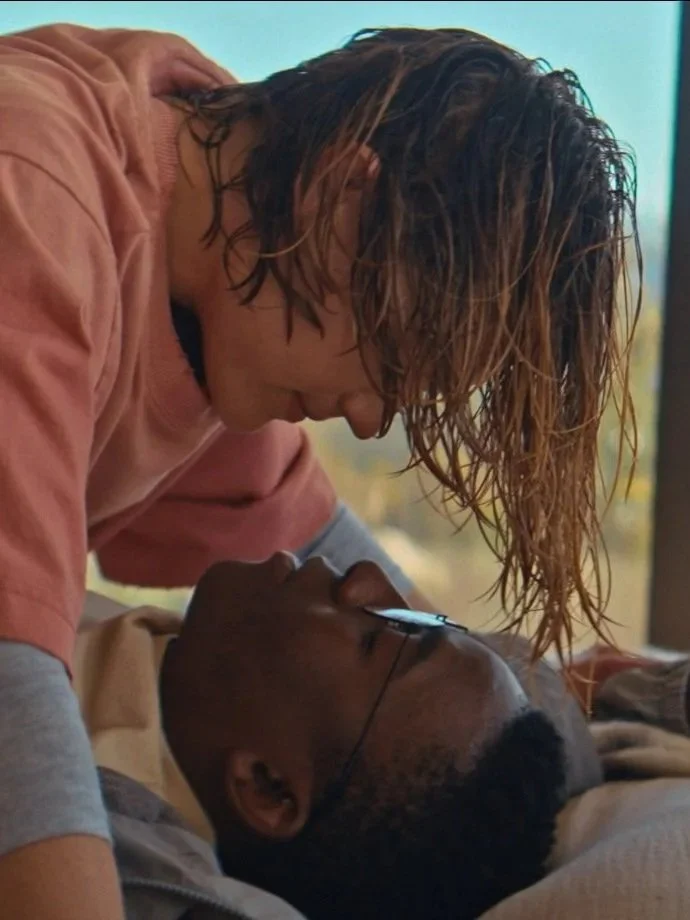
In a dystopian future, a young couple clashes during their time-traveling vacation.
DIRECTOR: JENNA CATO BASS
WORLD PREMIERE | 96m | CENTREPIECE
“A time-travel thriller about love, history, and the dangerous temptation to rewrite both”
Set in a near future where the wealthy can vacation in the past, the film imagines a world in which history itself has become a luxurious destination. The wealthy don't travel to the future to fix it; they escape into the past. History has become a theme park for people with enough money to afford admission. Future Tense, however, is less interested in the mechanics of time travel than in the people who choose to use it.
At its center are Tara (Kristen Raath) and Lwando (Lawrence Maleka), an interracial couple whose already complicated relationship becomes considerably more difficult when a romantic getaway to pre-colonial South Africa turns out to be something else entirely. Tara arrives hoping the trip will bring them closer. Lwando has a far more consequential destination in mind: 1647, shortly before the wreck of the Haarlem, an event that would contribute to the chain of events leading to European colonization at the Cape.
His plan is to change history.
Tara thinks she is on a relationship-saving holiday; Lwando thinks he is on a political mission to alter the past. One is trying to save a relationship, the other is trying to save the world and neither is particularly prepared for what happens when those ambitions collide.
Their performances allow the film to move between intimacy, humor, frustration and danger without losing its human scale. Tara's gradual transformation begins as a woman allowing herself to be swept along by someone else's certainty to a story about discovering her own capacity in making decisions.
Maleka gives Lwando an appealing mixture of conviction and vulnerability. His political idealism becomes inseparable from his inability to surrender himself fully to love. That is where Future Tense becomes more than a conventional time-travel adventure. Its central question isn't simply whether history can be changed, but whether we are capable of living with the consequences of trying.
The film's biggest strength is also its greatest risk. It is trying to hold an enormous number of ideas at once; colonialism, climate change, privilege, capitalism, historical memory, activism, romantic commitment and personal agency. All while remaining a two-hander about a couple in crisis. Not every idea receives equal development, and viewers looking for a conventional time-travel thriller may find the film's priorities unexpected. But that refusal to settle into a single genre is ultimately what gives Future Tense its personality.
This is not a story about going back to fix the past and returning triumphantly to a better present. It is much more interested in the uncertainty that follows an attempt to change anything at all. Even its final revelations complicate the idea of individual heroism. History, the film suggests, is bigger than any one person's grand gesture. Bass has created a film less concerned with predicting the future than forcing us to reconsider the past, and what we might be willing to change to create a different one.

HOW WE STAND
HOW WE STAND
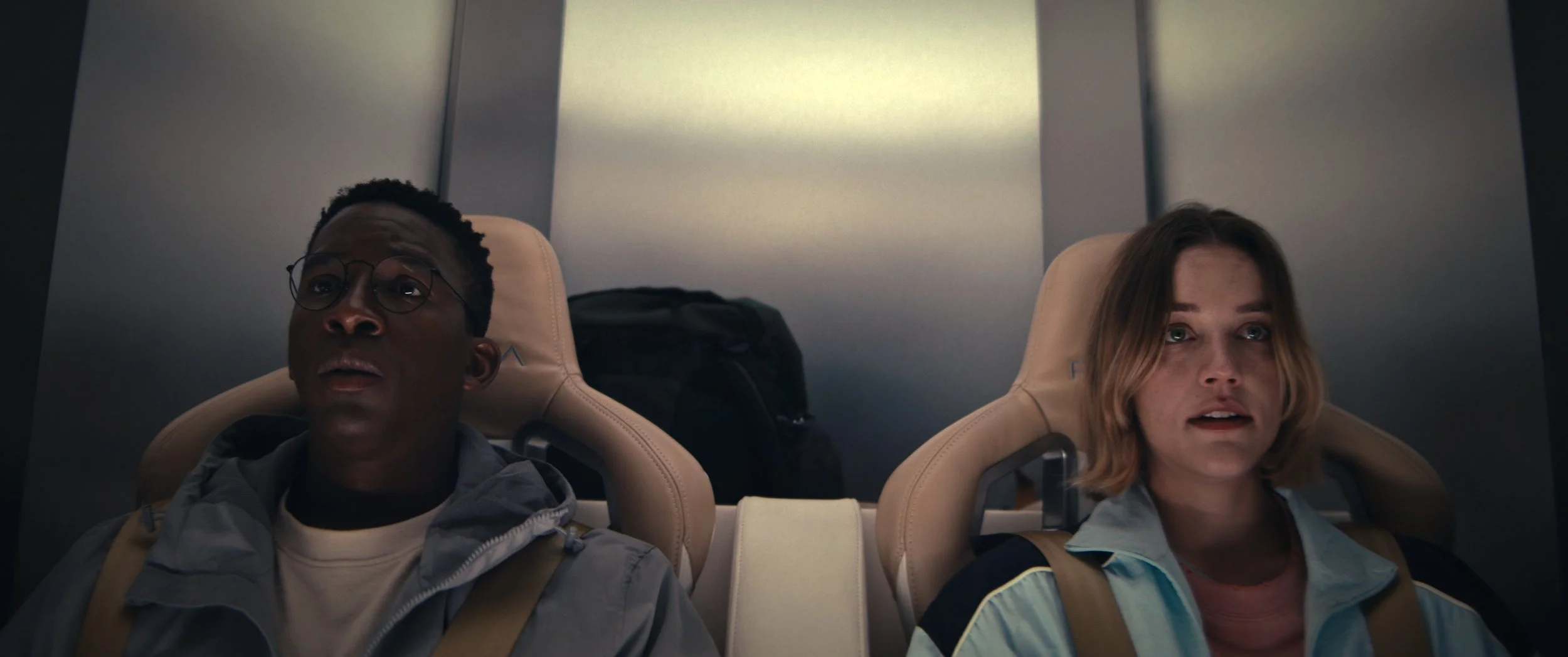
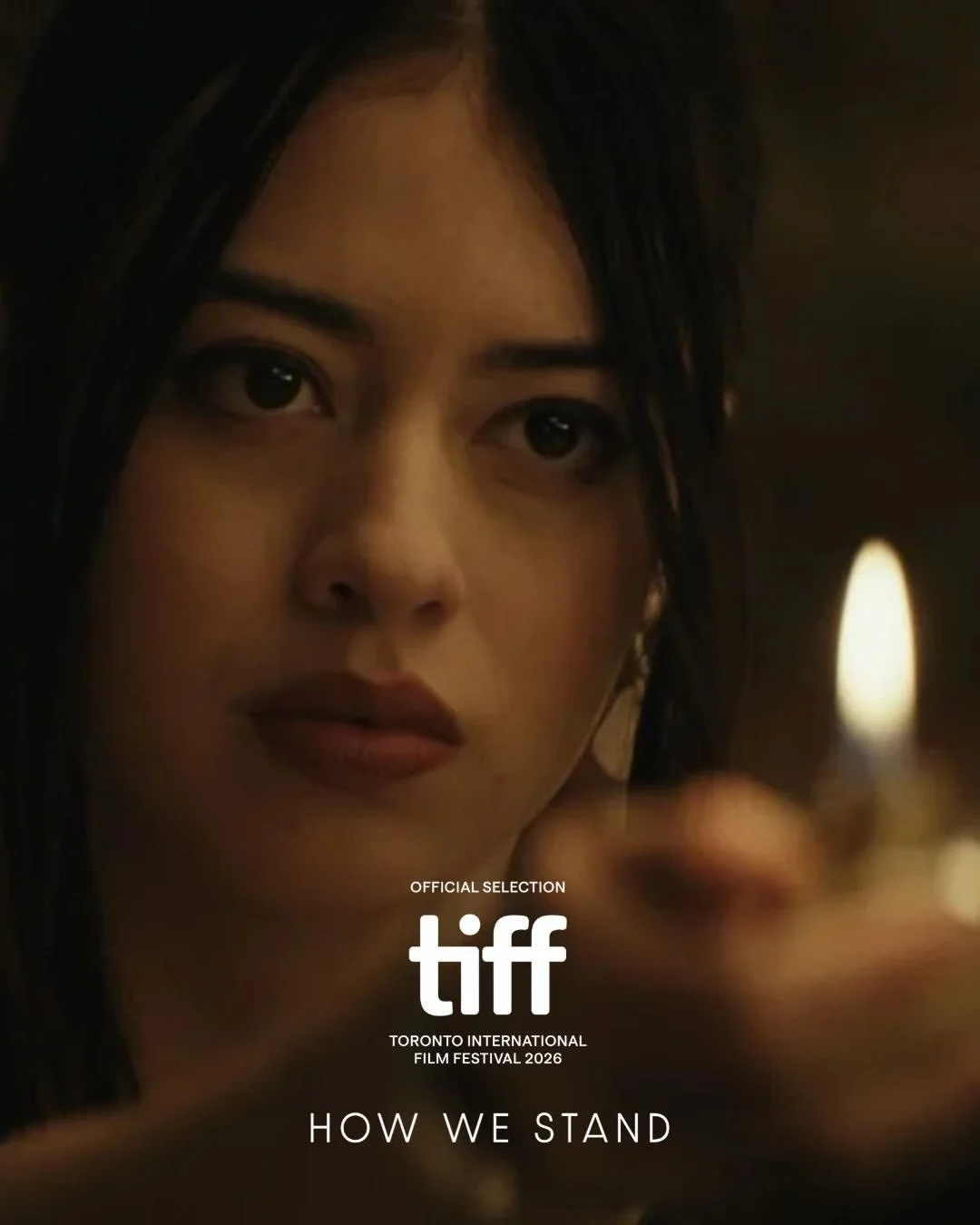
Based on writer-director Marie Clements’ own play, Tombs of the Vanishing Indian, How We Stand is a riveting drama of sisters whose lives are shaped by government policies meant to eradicate Indigenous people.
DIRECTOR: MARIE CLEMENTS
WORLD PREMIERE | 107m | CENTREPIECE
“Three sisters struggle to build a future in the shadow of an unforgotten past.”
The film follows three sisters whose lives are upended when their mother moves them from Oklahoma to Los Angeles, lured by the promise of a better future through the Native American Relocation Program. But when tragedy tears the family apart, Jessie (Amber Midthunder), Miranda (Alyssa Wapanatâhk) and Janey (Isabel DeRoy-Olson) grow into women carrying wounds they struggle to name, let alone escape.
Two decades later, the sisters have taken radically different paths. Jessie is a doctor, Miranda is pursuing acting and activism, while Janey remains trapped in trauma that has never been properly confronted. Their stories initially feel almost disconnected, but writer-director Clements gradually exposes the invisible threads binding them together. Each sister has developed her own method of survival, yet all three remain shaped by the same rupture.
Adapted from Clements' own play Tombs of the Vanishing Indian, the film approaches a painful chapter of Indigenous history through its character’s experience rather than as a conventional historical drama. Its examination of relocation, institutional violence and coerced sterilization gives the sisters' fractured lives a disturbing context, showing how government policy can echo through families long after the original damage has been done.
What makes How We Stand especially affecting is the way it transforms a family separation into something larger: a metaphor for the fragmentation of identity itself. The sisters aren't simply trying to reconnect with one another; they are trying to understand versions of themselves shaped by a history they inherited but never chose.
Clements also refuses to tell this story in entirely conventional terms. Magical-realist touches, dreamlike imagery and a strikingly satirical Hollywood Western sequence periodically interrupt the grounded family drama. The shifts can feel abrupt and occasionally uneven, but they also create an appropriately unsettled atmosphere that resembles the emotional space of its characters.
At its best, the film understands that the legacy of displacement cannot be measured simply by where people end up: it is measured by what gets carried with them. The film may occasionally strain under the weight of its ambitions, but its willingness to make history personal gives it a haunting resonance
As the title reveals, to “stand” here is not merely to endure. It is to remain present in the face of an attempt to make people disappear from their own history. The film's most resonant question is not whether the past can be escaped, but what it takes to stand together after it refuses to let go.
TREES ARE WATCHING
TREES ARE WATCHING
In a forgotten town, the curse never sleeps
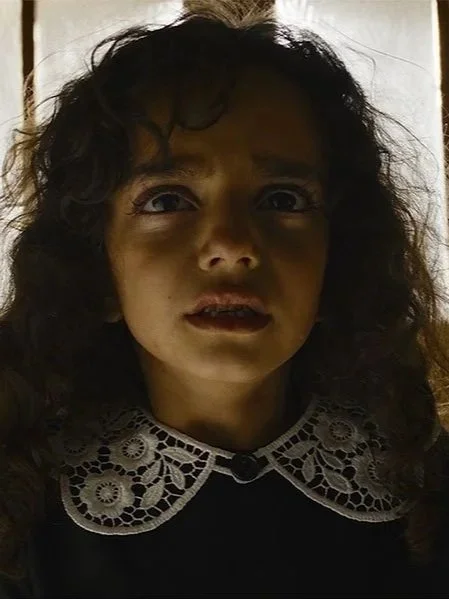
Novelist Darya returns to her hometown with her deaf daughter to work on her new book. There she is haunted by the memory of twin girls from her childhood, and the two trees planted as their memorials.
DIRECTOR: BAHMAN GHOBADI
WORLD PREMIERE | 106m | CENTREPIECE
“A sinister tale where nature remembers what humans try to forget.”
Bahman Ghobadi’s Trees Are Watching is an atmospheric supernatural drama that blends Kurdish folklore, childhood trauma and ecological anxiety into an often unsettling, and occasionally bizarre, tale of buried memories.
Eva Green stars as Darya, a writer who returns to her hometown in southern Turkey with her deaf daughter, only to find herself pulled back into the disturbing story of her childhood. Two trees outside her former home become ominous symbols of twin sisters whose tragedy continues to haunt the countryside.
The film is strongest in its childhood flashbacks that plays with the eerie logic of a dark fairy tale. Green brings intensity to the adult story as Darya struggles to distinguish memory from hallucination and supernatural threat.
Ghobadi’s most intriguing idea is that nature itself can remember. Forest fires, deforestation and haunted trees turn the landscape into both witness and victim, giving the horror an ecological dimension.
Not everything lands, however, as the film’s tonal shifts can be jarring, with some supernatural touches, including a possessed chair, veering from creepy into the comical. Yet there’s something genuinely distinctive about its dreamlike approach.
Uneven but atmospheric, Trees Are Watching is less interested in conventional scares than in the idea that the past can become embedded in the places we leave behind. Because when memory takes root, the dead are never truly gone.
PHOOLAN
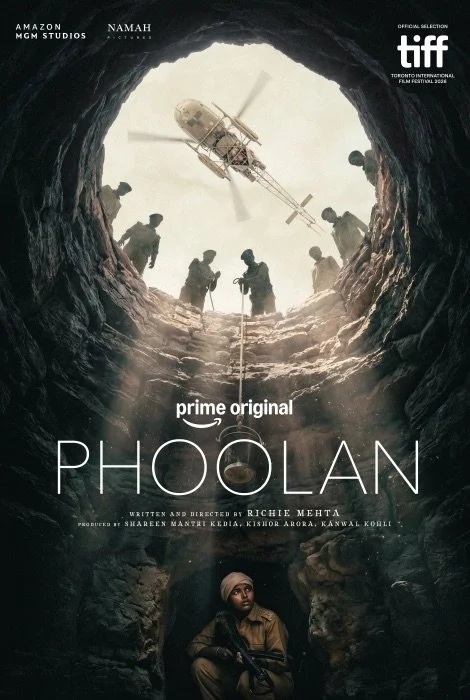
PHOOLAN
Follows an impoverished 17-year-old girl who becomes a famous outlaw and survives a brutal 48-hour siege when thousands of armed men trap her in a village.
DIRECTOR: RICHIE MEHTA
WORLD PREMIERE | 113m | SPECIAL PRESENTATIONS
“History becomes personal in this bruising portrait of a woman refusing to remain a victim.”
Richie Mehta’s Phoolan turns the story of India’s legendary “Bandit Queen” into a lean, gripping survival thriller. Rather than offering a conventional biopic, the film focuses on a tense 48-hour pursuit, with Sneha Kumari bringing fierce vulnerability to a woman fighting to stay alive.
Mehta keeps the mythology at arm’s length, grounding Phoolan in fear and defiance while letting the realities of caste and violence remain beneath the surface. The result is a tense and atmospheric portrait of survival that asks what remains when the legend is stripped away and only the woman is left.
THE REMOTES
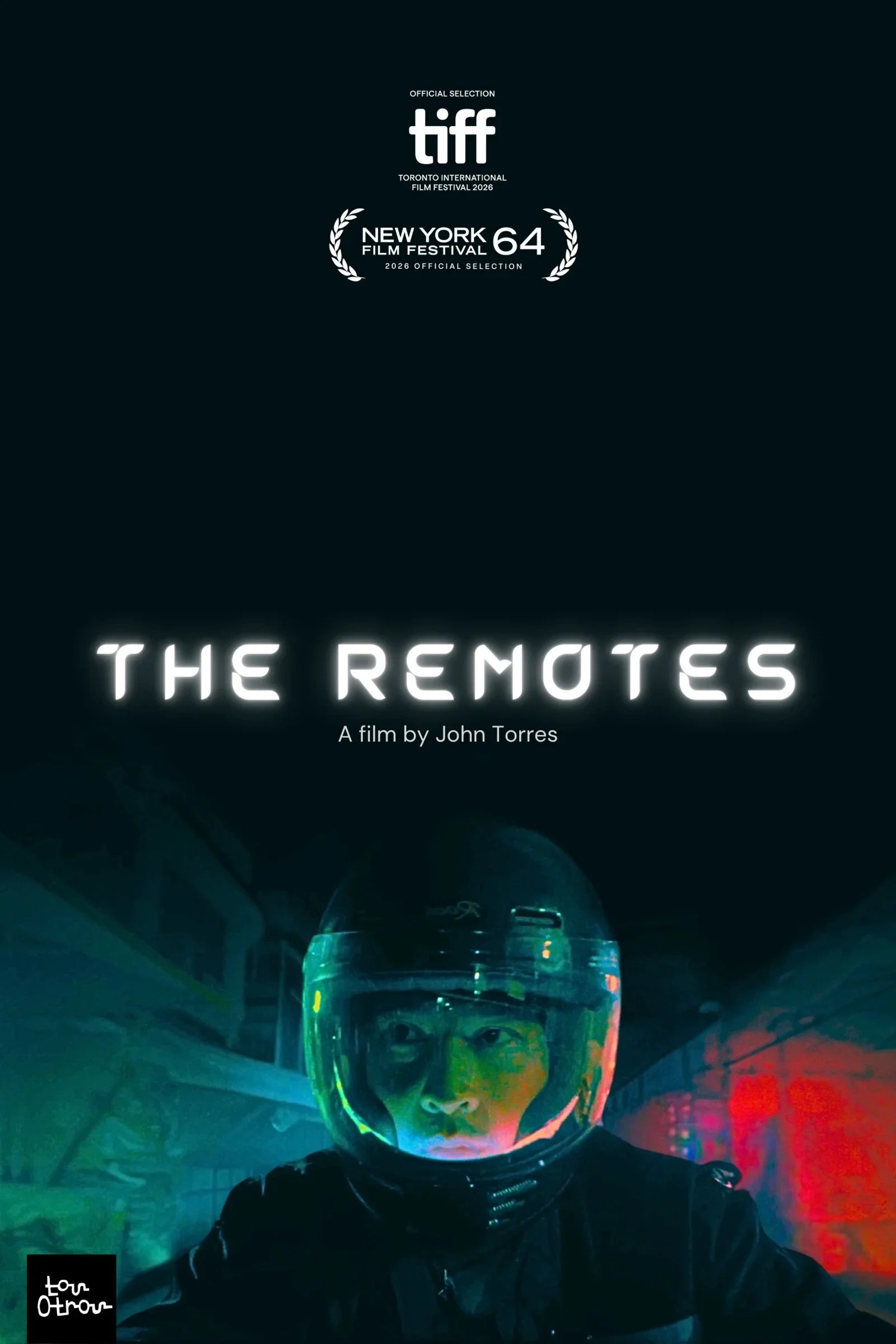
THE REMOTES
A grieving detective finds himself increasingly ensnared while investigating a case involving a sinister navigation app causing physical and psychological debris.
DIRECTOR: JOHN TORRES
WORLD PREMIERE | 153m | WAVELENGTHS
“A bizarre descent into grief”
The Remotes is a weird, moody sci-fi mystery that takes its time getting under your skin. It follows a detective investigating a series of strange accidents linked to an app that can control people, while he’s also dealing with the grief of losing his wife.
The movie has a really cool atmosphere, with dark visuals, eerie sound design, and a dreamlike quality that keeps you guessing about what’s actually happening. The technology is creepy, but the film is really more interested in grief, memory, and what happens when we give up control of our own lives.
It’s definitely slow, and at 153 minutes it can feel like a lot, especially when the story gets deliberately confusing. But if you’re into strange, atmospheric movies that leave you with more questions than answers, there’s plenty to dig into.
A bizarre, ambitious sci-fi mystery with a seriously haunting vibe.


